
صحة المسافرين
سلامة الطعام والماء في سريلانكا
24/01/2026 · 5 دقيقة قراءة
الطعام السريلانكي من أفضل أسباب المجيء إلى هنا. الأرز والكاري، الهوبرز، الكوتّو، المأكولات البحرية الطازجة، وفواكه استوائية لم ترها من قبل. الوجه الآخر لتناول الطعام على نطاق واسع هو أن الأمراض المنقولة عبر الطعام والماء هي السبب الأكثر شيوعاً لشعور المسافرين بالتوعّك. والحيلة هي الاستمتاع بالطعام دون قضاء يومين من رحلتك في الفراش.
الماء
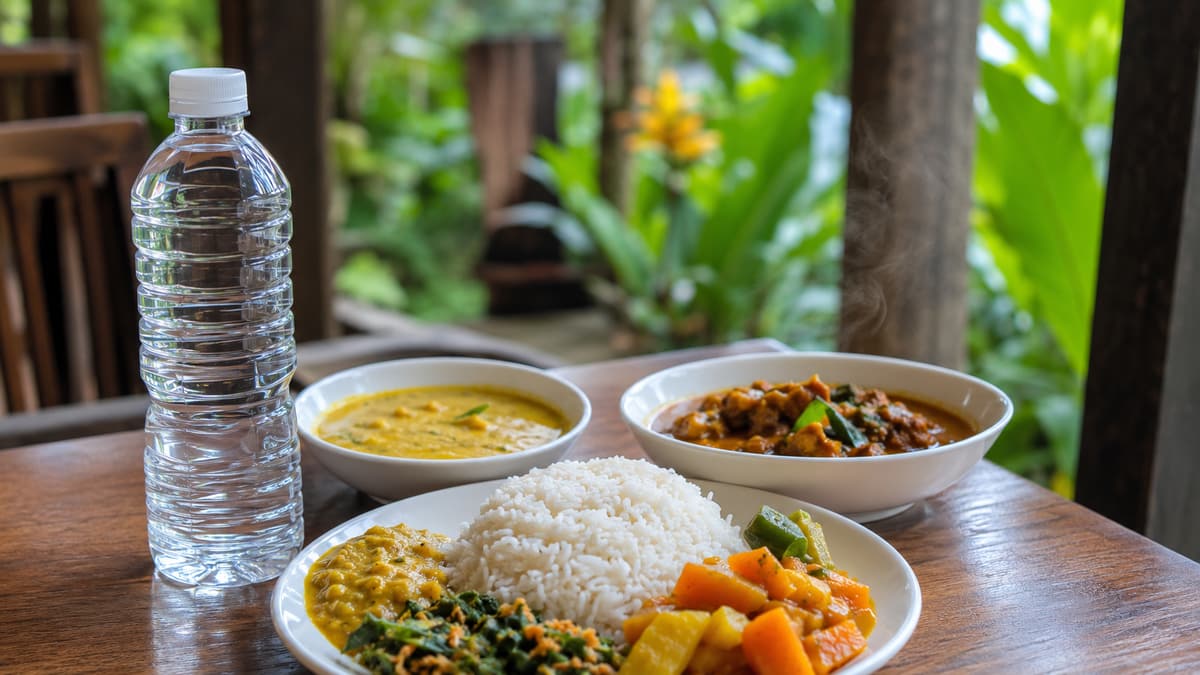
ماء الصنبور في سريلانكا غير آمن للشرب بالنسبة للزوّار. السكان المحليون متكيّفون مع الميكروبيوم المحلي؛ أما أنت فلا. التزم بما يلي:
- الماء المعبّأ. رخيص ومتوفّر في كل مكان. تأكّد من أن الختم سليم عند الشراء. العلامات التجارية الموثوقة جيدة؛ وعادةً ما يتوفّر لدينا Aquafresh أو Crystal أو ما شابه.
- الماء المُرشّح من مصدر معروف. معظم بيوت الضيافة والمطاعم في مدن ركوب الأمواج لديها ترشيح مناسب. اسأل إن لم تكن متأكّداً.
- الشاي والقهوة الساخنة. الغليان يقتل كل شيء تقريباً.
- المشروبات الغازية في عبوات أو علب مختومة.
ما يجب تجنّبه:
- ماء الصنبور للشرب
- الثلج في المشروبات، ما لم تكن واثقاً أنه من ماء نقيّ (معظم المطاعم المعروفة في Arugam Bay آمنة؛ والباعة المتجوّلون أكثر خطورة)
- تنظيف الأسنان بماء الصنبور — استخدم الماء المعبّأ بدلاً منه، خاصةً في أسبوعك الأول
- عصائر الفاكهة والسموذي من الأماكن التي تكون فيها جودة الماء غير مؤكّدة — عصير الفاكهة الطازج قد يكون آمناً، لكن الماء أو الثلج المضاف من مصدر مشكوك فيه ليس كذلك
الطعام
القاعدة العامة لسلامة الطعام في سريلانكا: الساخن والطازج والمطهوّ جيداً هو صديقك. أما الأشياء التي بقيت في درجة حرارة الغرفة أو المطهوّة جزئياً فهي حيث تبدأ معظم المشكلات.
آمن عموماً:
- الكاري والأرز مباشرة من المطبخ، ساخن يتصاعد منه البخار
- الهوبرز والكوتّو المطهوّان أمامك
- الوجبات الخفيفة المقلية (فاداي، إسو فاداي، سمبوسة) ساخنة من الزيت
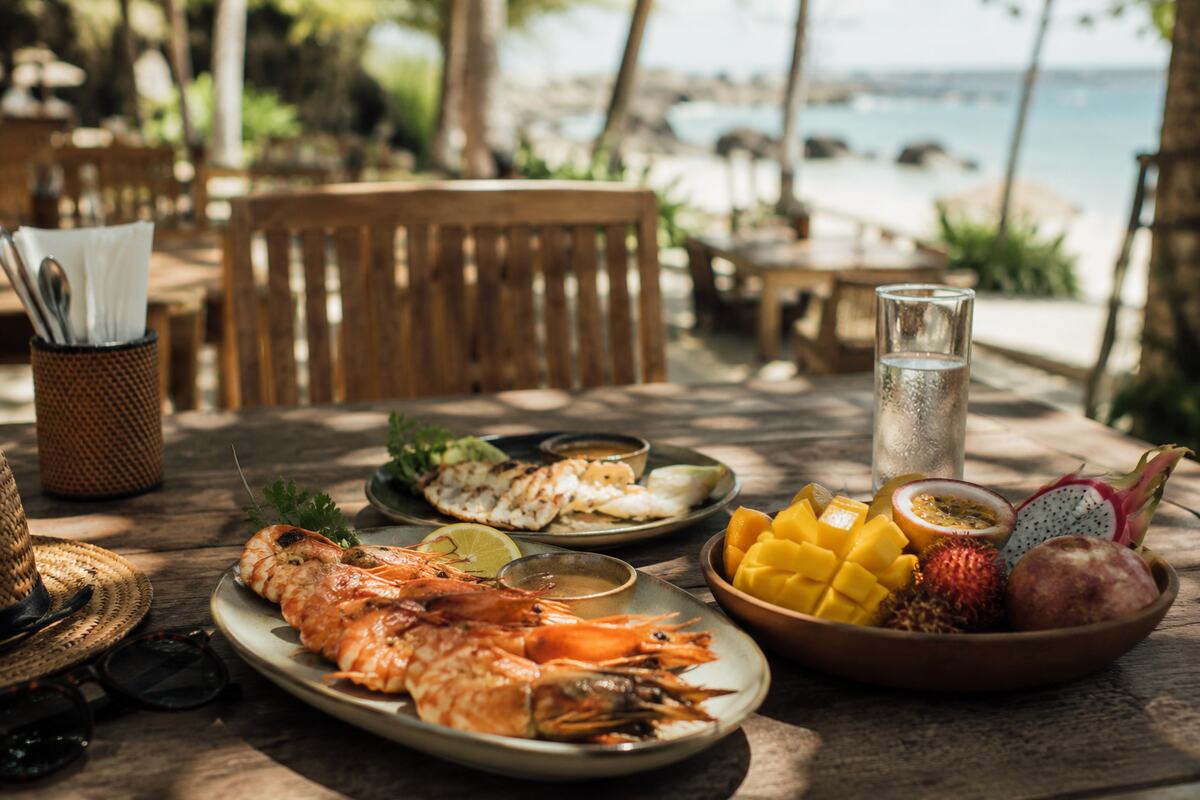
- الفاكهة التي تقشّرها بنفسك: موز، برتقال، مانجو، مانغوستين، رامبوتان
- الخبز والحبوب المطهوّة
- معظم المخبوزات
أعلى خطورة:
- البوفيهات، خاصةً في الأماكن الأرخص حيث قد يبقى الطعام معروضاً
- السلطات النيئة من أماكن لا تثق بأنها تغسل الخضروات بماء آمن (في المطاعم السياحية بمدن ركوب الأمواج، عادةً ما تكون آمنة)
- الفاكهة المقطّعة مسبقاً في أكشاك الشارع
- المحار، خاصةً من الأماكن التي لا تبدو مزدحمة
- السمك النيء أو غير المطهوّ جيداً (بما في ذلك بعض السوشي)
- منتجات الألبان غير المبستَرة
- أي شيء أُعيد تسخينه عدّة مرّات
طعام الشارع: يمكن أن يكون طعام الشارع في سريلانكا ممتازاً، وغالباً ما يكون أكثر أماناً من طعام المطاعم المتوسّط بسبب سرعة دوران الطعام. المبدأ: اختر الأكشاك المزدحمة حيث يُطهى الطعام عند الطلب، لا الأكشاك التي يبقى فيها الطعام في الصواني.
نهج متوازن
المسافر الذي يحاول أن يأكل فقط في أكثر الأماكن أماناً وأقلّها نكهة عادةً ما يفوّت أفضل الطعام، وغالباً ما يمرض على أي حال، لأن التسمّم الغذائي لا يتعلّق حقاً بالحذر — بل بالتعرّض لبكتيريا لم تألفها أمعاؤك من قبل. أما المسافر الذي يأكل بحرّية فعادةً ما يمرّ بيوم أو يومين صعبين ثم تتكيّف أمعاؤه.
طريق وسط معقول:
- كن أكثر حذراً في الأسبوع الأول بينما تتكيّف أمعاؤك
- ثِق بالأماكن المزدحمة والشهيرة
- اشرب فقط الماء المعبّأ أو المُرشّح
- احمل أملاح الإماهة الفموية (ORS) في حقيبتك تحسّباً لحدوث خطب ما
- لا تتناول المضادات الحيوية “وقائياً” — فهي تسبّب من المشكلات أكثر ممّا تمنعه لمعظم المسافرين
ماذا تفعل عندما تمرض
راجع مقالنا عن التسمّم الغذائي وإسهال المسافرين. معظم الحالات تُشفى خلال ثلاثة إلى خمسة أيام مع الترطيب والراحة. بعضها يحتاج إلى طبيب. حدّ المجيء لزيارتنا: دم في البراز، حُمّى مرتفعة، ألم شديد في البطن، قيء مستمرّ، علامات جفاف، أو أعراض تستمرّ أكثر من خمسة أيام.
هذا المقال معلومات صحية عامة وليس بديلاً عن الاستشارة الطبية.
مقالات ذات صلة
صحة المسافرين
ردود الفعل التحسسية والحساسية المفرطة في سريلانكا: ماذا تفعل
أطعمة جديدة، حشرات جديدة، تعرض جديد للشمس — سريلانكا مليئة بمسببات الحساسية الجديدة. إليك كيفية اكتشاف رد الفعل مبكرًا وماذا تفعل إذا أصبح خطيرًا.
6 دقيقة قراءة
صحة المسافرين
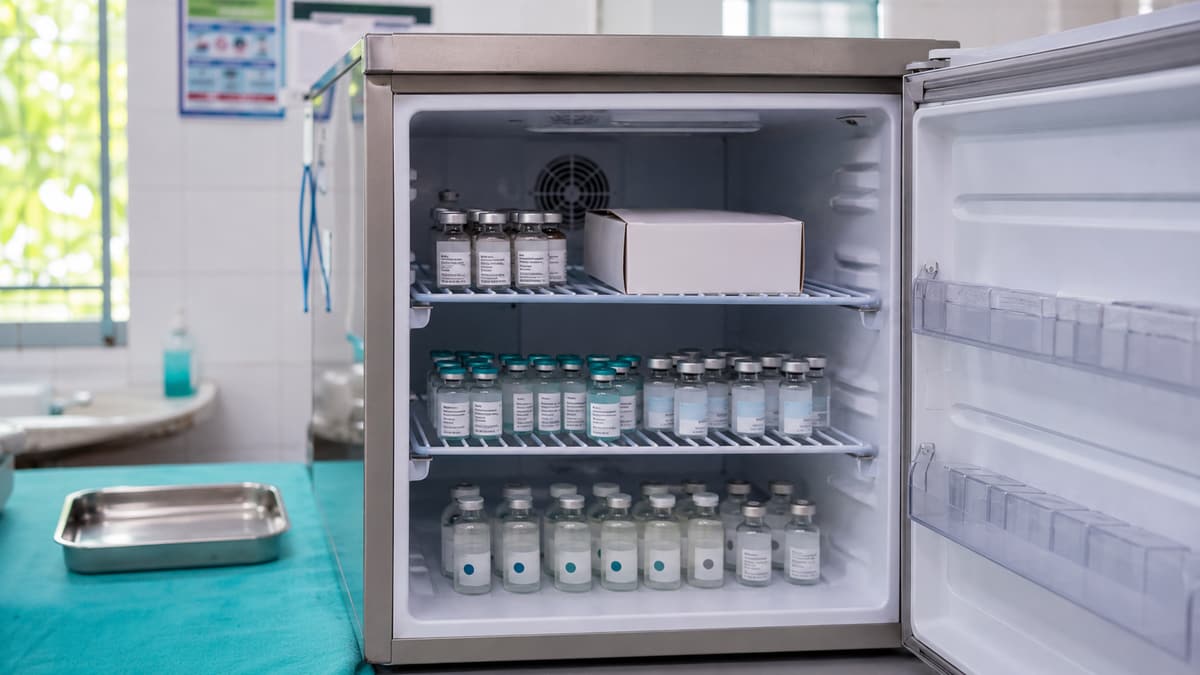
لقاح داء الكلب في Arugam Bay: أين تحصل عليه بسرعة
هل عضّك أو خدشك كلب أو قرد في Arugam Bay؟ نوفّر لقاح داء الكلب البشري ويمكننا بدء العلاج في اليوم نفسه. إليك ما يجب فعله الآن.
6 دقيقة قراءة
صحة المسافرين
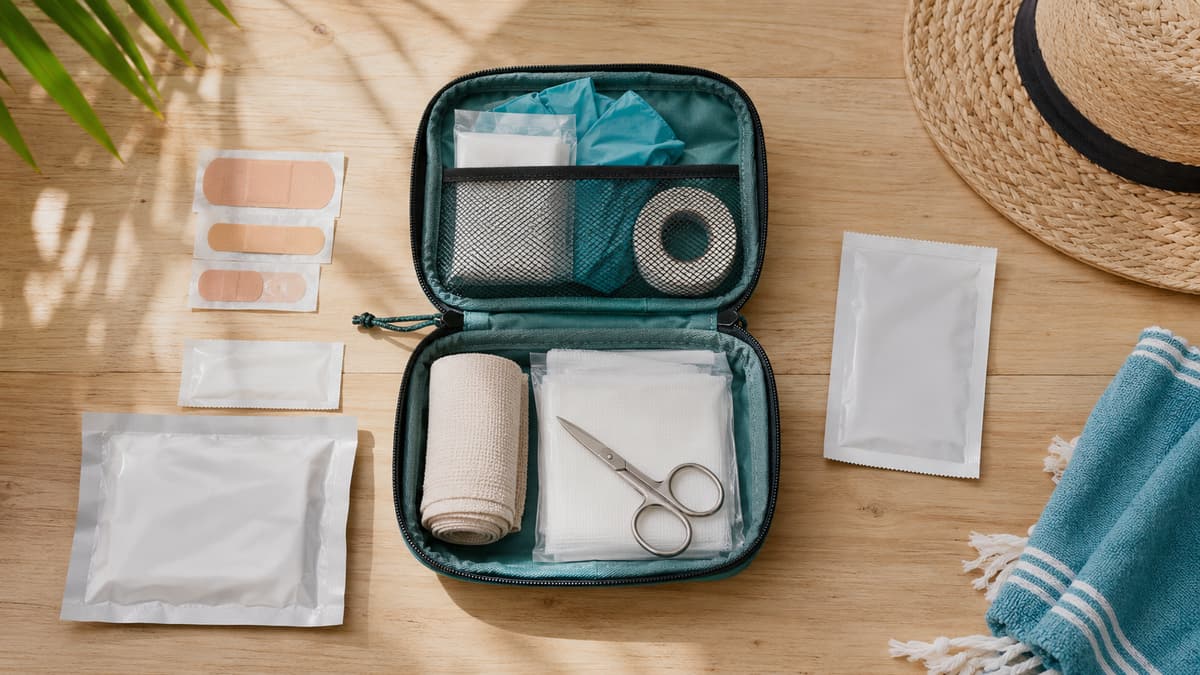
الربو ومشاكل التنفس في أروغام باي: كيفية إدارة جهاز الاستنشاق في الحر والغبار
يمكن أن يؤدي الحر والغبار ودخان البخور والهواء المالح إلى إثارة نوبات الربو في أروغام باي. إليك كيفية إدارة جهاز الاستنشاق الخاص بك، وكيفية التعرف على نوبة خطيرة، وما يمكننا فعله.
8 دقيقة قراءة