

Reisegesundheit
Sonnenschutz und Hitzeerkrankungen an Sri Lankas Ostküste
21.01.2026 · 6 Min. Lesezeit
Arugam Bay liegt etwa sechs Grad nördlich des Äquators. Die Sonne ist hier intensiver, als es die meisten Besucher gewohnt sind, auch Menschen, die sich selbst für hitzeerprobt halten. Zwischen November und April erreichen die Tagestemperaturen regelmäßig 32 bis 35 °C bei einer Luftfeuchtigkeit von rund achtzig Prozent, und der UV-Index liegt während der meisten Tagesstunden im Bereich “extrem”. Sonnen- und Hitzeerkrankungen gehören zu den häufigsten Gründen, aus denen Reisende zu uns kommen – und zu den am besten vermeidbaren.
Sonnenbrand
Sonnenbrand ist mehr als ein kosmetisches Problem. Ein schwerer Sonnenbrand schädigt die Hautzellen, verursacht Entzündungen, erhöht das lebenslange Hautkrebsrisiko und kann Sie kurzfristig mit Blasen, Fieber und tagelanger Surf-Unfähigkeit zurücklassen.
Vorbeugung ist in der Theorie einfach:
- Breitbandsonnencreme, mindestens SPF 30, idealerweise 50. Zwanzig Minuten vor dem Rausgehen auftragen. Alle zwei Stunden erneut auftragen, und nach jeder Surf-Session.
- Riff-freundliche Sonnencreme wird in Sri Lankas Surfgebieten immer wichtiger. Achten Sie auf Formulierungen ohne Oxybenzon und Octinoxat.
- Bedecken Sie sich, wo Sie können. Langärmelige Rash Vests, Surfhüte, leichte Baumwollhemden, wenn Sie nicht im Wasser sind.
- Meiden Sie die pralle Sonne von 11 bis 15 Uhr, besonders in den ersten Tagen Ihrer Reise, während sich Ihre Haut akklimatisiert.
- Achten Sie auch auf bedeckte Tage. UV-Strahlung dringt durch die Wolken. An einem grauen Tag können Sie sich einen schweren Sonnenbrand holen.
Falls Sie doch einen Sonnenbrand bekommen, kühlen Sie die Haut mit kühlen (nicht kalten) Duschen oder Umschlägen, tragen Sie Aloe-vera-Gel auf und bleiben Sie ein bis zwei Tage vollständig aus der Sonne. Schwere Verbrennungen mit Blasenbildung, Fieber oder großflächig betroffenen Bereichen sollten ärztlich untersucht werden.
Hitzeerschöpfung
Zu einer Hitzeerschöpfung kommt es, wenn das Kühlsystem des Körpers überfordert ist. Die Symptome entwickeln sich über Stunden der Anstrengung in der Hitze:
- Starkes Schwitzen
- Schwäche, Erschöpfung
- Kopfschmerzen
- Übelkeit, manchmal Erbrechen
- Schwindel, besonders beim Aufstehen
- Ein schneller, fadenförmiger Puls
- Blasse, feuchtkalte Haut
- Die Körpertemperatur liegt noch im normalen Bereich oder ist leicht erhöht, aber Sie fühlen sich schrecklich
Die Behandlung besteht darin, aus der Hitze herauszukommen, in den Schatten oder in eine Klimaanlage, sich mit erhöhten Füßen hinzulegen, kühle Flüssigkeiten (Wasser, Elektrolytgetränk oder ORS) in kleinen Schlucken zu trinken und die Haut mit feuchten Tüchern oder einem Ventilator zu kühlen. Die meisten Menschen erholen sich innerhalb von dreißig bis neunzig Minuten.
Falls es Ihnen nicht besser geht oder sich die Symptome verschlimmern, kommen Sie zu uns. Wir können eine IV-Infusion geben, um die Flüssigkeit schneller wiederherzustellen, als es die orale Rehydrierung vermag.
Hitzschlag
Der Hitzschlag ist der gefährliche Verwandte der Hitzeerschöpfung. Die Temperaturregulierung des Körpers ist vollständig zusammengebrochen, die Körperkerntemperatur steigt über 40 °C, und das Gehirn beginnt in Mitleidenschaft gezogen zu werden. Symptome:
- Sehr hohe Körpertemperatur
- Heiße, trockene Haut (das Schwitzen kann aufgehört haben)
- Verwirrtheit, verwaschene Sprache, Unruhe, manchmal Krampfanfälle
- Schnelle Atmung, rasender Herzschlag
- Bewusstlosigkeit in schweren Fällen
Dies ist ein echter medizinischer Notfall. Rufen Sie 1990 für einen Krankenwagen an, oder rufen Sie uns an. Während Sie warten:
- Bringen Sie die Person in den Schatten oder in eine Klimaanlage
- Ziehen Sie überflüssige Kleidung aus
- Kühlen Sie aggressiv – nasse Tücher, Eispackungen an Hals, Achseln und Leiste, fächeln Sie Luft über den Körper
- Geben Sie keine großen Mengen kaltes Wasser über den Mund, wenn die Person verwirrt ist (Aspirationsgefahr)
Besonderer Hinweis für Surfer
Lange Sessions im Wasser verschleiern, wie viel Flüssigkeit Sie verlieren. Das Wasser ist warm, Sie bemerken das Schwitzen nicht, aber Sie verlieren Flüssigkeit durch Verdunstung, Anstrengung und Sonne. Trinken Sie eine volle Flasche Wasser, bevor Sie hinauspaddeln, und rehydrieren Sie sofort, wenn Sie herauskommen. ORS-Beutel sind günstig und lohnen sich in Ihrer Strandtasche.
Das andere unterschätzte Risiko für Surfer ist die Sonneneinstrahlung ins Gesicht durch das vom Wasser reflektierte Licht. Ein breitkrempiger Surfhut oder ein Rash Vest mit Kapuze macht über eine mehrwöchige Reise einen echten Unterschied.
Dieser Artikel bietet allgemeine Gesundheitsinformationen und ist kein Ersatz für ärztlichen Rat. Ein Hitzschlag ist ein Notfall – rufen Sie 1990 an oder kommen Sie sofort vorbei.
Ähnliche Artikel

Reisegesundheit
Allergische Reaktionen und Anaphylaxie in Sri Lanka: Was zu tun ist
Neue Speisen, neue Insekten, neue Sonneneinstrahlung – Sri Lanka bietet reichlich neue Allergieauslöser. So erkennen Sie eine Reaktion frühzeitig und wissen, was zu tun ist, wenn es ernst wird.
6 Min. Lesezeit
Reisegesundheit
Tollwut-Impfung in Arugam Bay: Wo Sie sie schnell bekommen
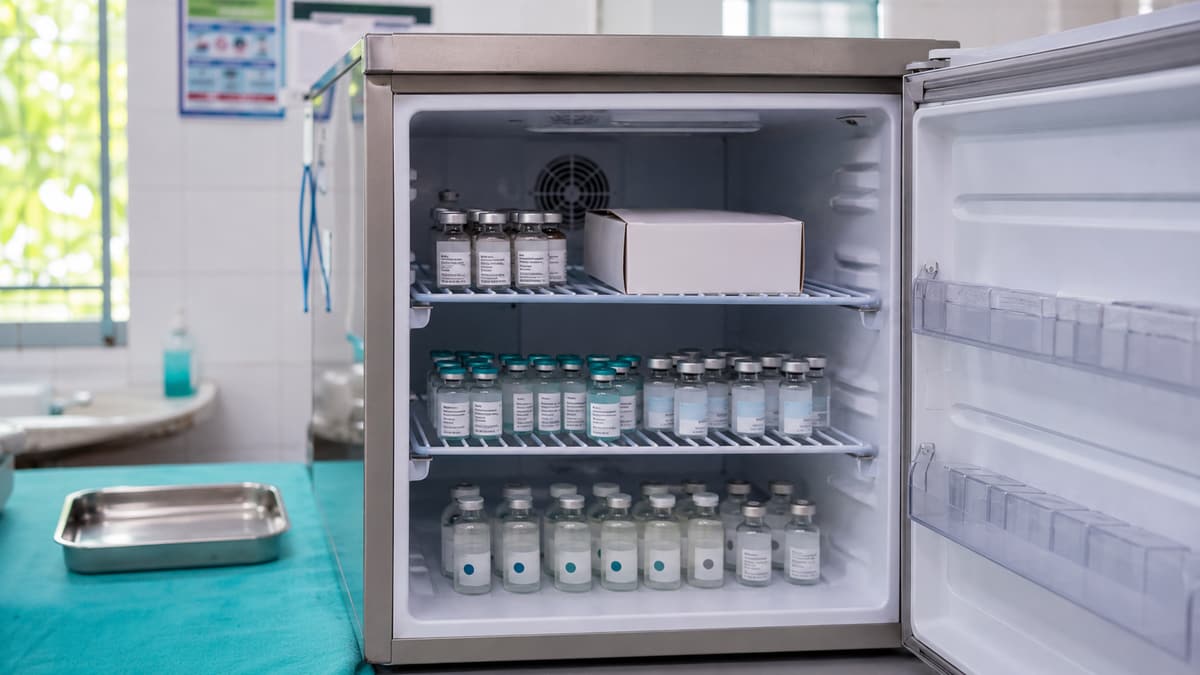
In Arugam Bay von einem Hund oder Affen gebissen oder gekratzt? Wir haben den Tollwut-Impfstoff für Menschen vorrätig und können die Behandlung noch am selben Tag beginnen.
6 Min. Lesezeit
Reisegesundheit
Asthma und Atembeschwerden in Arugam Bay: Ihren Inhalator bei Hitze und Staub richtig einsetzen
Hitze, Staub, Räucherstäbchenrauch und Salzluft können in Arugam Bay einen Asthmaanfall auslösen. So verwalten Sie Ihren Inhalator, erkennen einen ernsten Schub und erfahren, was wir tun können.
8 Min. Lesezeit