
Arugam Bay Safety
Scooter Exhaust Burns in Arugam Bay: The Calf Burn Almost Every Tourist Gets
Sep 12, 2026 · 6 min read
We see this one so often that we can usually guess how it happened before the patient finishes explaining: a rented scooter, a moment of getting on or off, and the inside of a calf brushing against the exhaust pipe. It’s quick, it’s painless for about two seconds, and then it isn’t. If you’ve just done this to yourself, or you’re trying to talk a friend out of “it’s fine, I’ll just put some toothpaste on it,” this one’s for you.
Why this burn is so common here
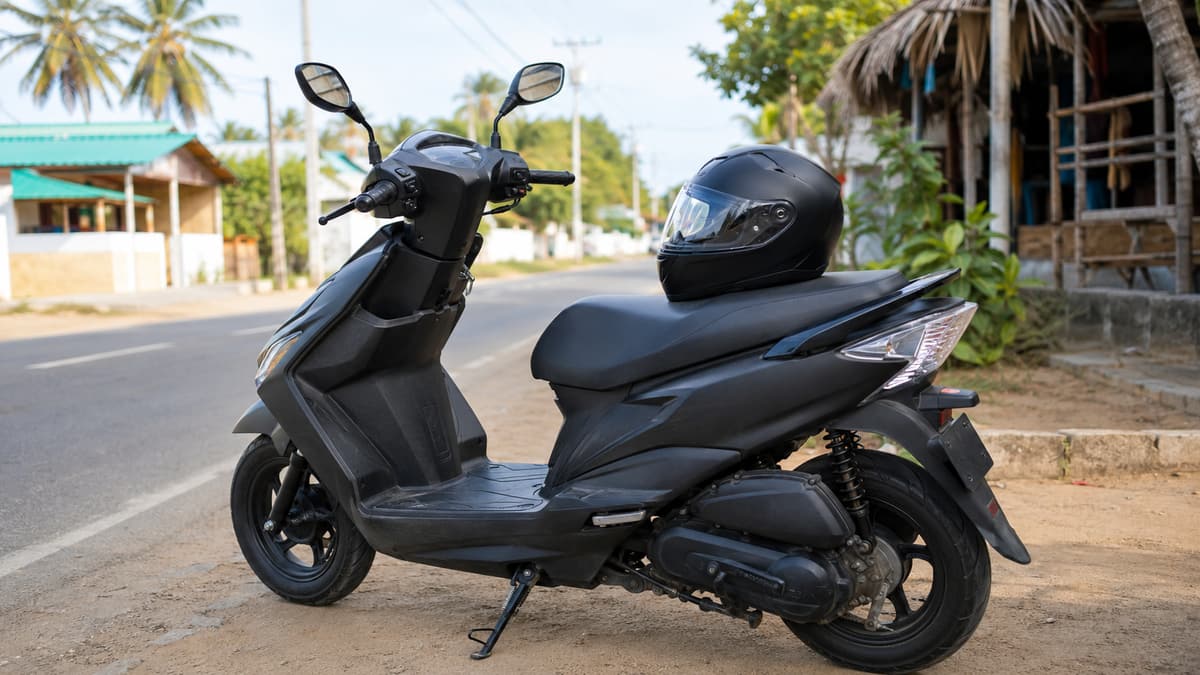
Exhaust pipes on rental scooters in Arugam Bay run hot enough to burn skin in under a second, and they sit at exactly calf height on the side most people swing a leg over. A few things make it worse here specifically:
- Rental scooters, not your own bike. You don’t know where the hot parts are yet, and muscle memory from home doesn’t transfer.
- Bare legs and flip-flops. Beachwear is the norm, and it offers zero protection. A pair of jeans would have stopped most of these burns entirely.
- Getting on and off in soft sand or on an uneven verge. Wobbling for balance while dismounting is when a calf swings into the pipe.
- Short trips, so the guard is down. People are careful climbing on for a long ride and careless hopping on for a two-minute trip to buy water.
- The exhaust stays hot for a long time after the engine’s off. Plenty of these burns happen parking the bike, not riding it — brushing past a pipe that’s been ticking over for twenty minutes.
The result is a burn on the inside of the calf or ankle, usually a neat oval or stripe matching the shape of the pipe or guard, and it’s almost always a partial-thickness (“second-degree”) burn because contact is brief but the metal is very hot.
First aid in the first few minutes
What you do in the first twenty minutes matters more than almost anything that comes after.
- Cool it immediately with running water. Cool (not ice-cold) tap or bottled water over the burn for twenty minutes. Set a timer — most people stop after two minutes, which isn’t enough. This is the single most effective thing you can do to limit how deep the burn goes.
- Do not use ice. Ice can damage already-injured skin further and make the burn worse.
- Remove anything tight before it swells — an ankle strap, a tight sock, a rubbing sandal strap — while it’s still easy to get off.
- Do not pop any blister that forms. Blisters are a protective barrier. Popping one just opens a clean wound to tropical bacteria and sand.
- Do not apply toothpaste, oil, butter, or “burn creams” of unknown origin from a guesthouse shelf. All of these trap heat, introduce bacteria, and make it harder for us to assess the burn properly if you do come in.
- Cover loosely with a clean, non-stick dressing or cling film once it’s cooled, and take paracetamol or ibuprofen for pain.
If the burn is bigger than the size of your palm, on top of already-broken skin, or the skin looks white, leathery, or charred rather than red and blistered, that’s a more serious burn — go to a clinic straight away rather than treating it yourself.
When to come and see us
A lot of these burns are manageable with the steps above, but come in if any of the following apply:
- The burn is blistered and larger than a couple of centimetres across
- It’s on a joint (ankle) where healing skin can restrict movement
- You can’t tell how deep it is, or the skin looks white or waxy rather than red
- It’s started weeping, smells bad, or the redness is spreading a day or two later — signs of infection, which move fast in this climate and humidity
- You’re not sure your tetanus shot is current
- Pain is getting worse rather than better after the first day
We clean burns properly, dress them with the right material so they heal instead of sticking and tearing open, and can prescribe antibiotics if infection sets in. Left alone or wrapped in the wrong thing, an exhaust burn in this heat and humidity can turn into a slow-healing ulcer that follows you home from your trip.
Getting back on the bike
Once a burn is dressed, keep it out of salt water and direct sun, and keep it covered while riding. Loose, breathable trousers or long socks for a few days protect the area while it heals and are far more comfortable than they sound. If you’re still riding daily, ask us about a waterproof dressing so you’re not re-dressing a wound with sandy hands every evening.
Prevention
The fix is almost embarrassingly simple: cover your calves. Jeans, canvas trousers, or even thick leggings for the ride, and a moment of care getting on and off — swing your leg wide of the pipe rather than close over it, and remember the exhaust stays hot long after you’ve parked. If you’re renting for the season, ask about a scooter with an exhaust guard; not every rental has one, and it makes a real difference.
Related reading
- Scooter and Motorbike Safety in Arugam Bay: Avoiding the Injuries We See Most
- Road Rash: Treating Scooter and Motorbike Abrasions in Arugam Bay
- Tuk-Tuk Safety in Arugam Bay: What Riders Need to Know
This article is general health information and not a substitute for medical advice. If you’ve got a burn you’re worried about, walk in any time, day or night, or call 1990 for a free ambulance.
Related articles

Arugam Bay Safety
Arugam Bay Safety Guide: A Local's Perspective
Arugam Bay is one of the safest surf towns in Sri Lanka, but there are still local hazards worth knowing. Tuk-tuks, swimming, wildlife, monsoons, and more.
7 min read
Arugam Bay Safety
Beach Bonfire Burns in Arugam Bay: First Aid for Party Season
Beach bonfires are part of every Arugam Bay night out, and burns from them are one of our regular late-night walk-ins. Here's proper first aid and when to come in.
7 min read

Arugam Bay Safety
Crocodiles and Lagoon Safety Near Arugam Bay: What You Need to Know
Pottuvil Lagoon and the waterways around Arugam Bay have resident crocodiles. Here's where the real risk is, how to stay safe, and what to do after a bite.
7 min read