
Traveler Health
Anti-Rabies Vaccine in Arugam Bay: Where to Get It, Fast
Jul 29, 2026 · 6 min read
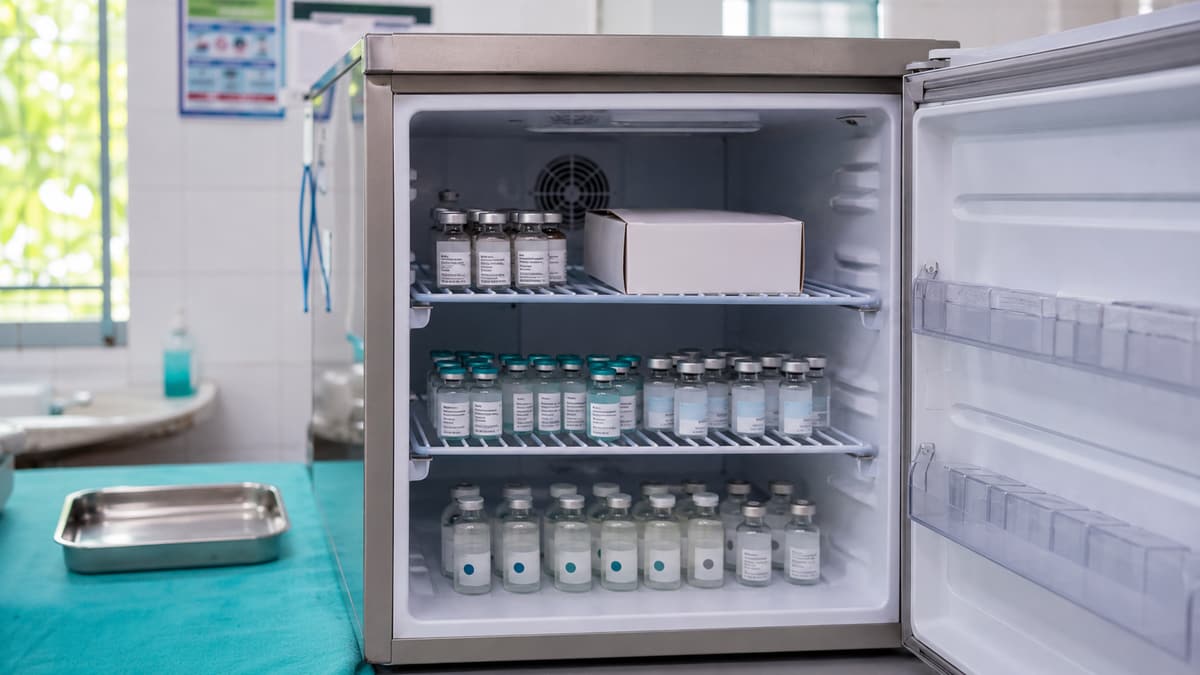
If a dog, monkey, cat, or other mammal has bitten or scratched you in Arugam Bay, do not wait to see how it heals. Rabies is almost always fatal once symptoms appear, but it is completely preventable if you start treatment quickly. We keep human anti-rabies vaccine in stock at the clinic and can begin the course the same day you walk in.
First, right now: wash the wound
Before anything else, wash the bite or scratch thoroughly with soap and running water for a full 15 minutes. This single step dramatically lowers the risk of the rabies virus taking hold. Then come straight to us on Panama Road, any hour of the day or night.
Why you can’t wait it out
Sri Lanka still has rabies in its stray dog and monkey population. You cannot tell from looking whether the animal that bit you was infected, and the incubation period means a bite that seems minor today can be deadly weeks or months later. The World Health Organization is clear: after a possible exposure, start post-exposure vaccination as soon as possible. There is no downside to starting, and every reason to.
What treatment looks like
Post-exposure treatment (“PEP”) is straightforward and we handle the whole thing here:
- Wound care — we clean and assess the bite, and decide whether stitches or antibiotics are needed.
- A course of anti-rabies vaccine — given over several visits on a set schedule (typically days 0, 3, 7, and later). We give you the exact dates and can complete the course during your stay.
- Rabies immunoglobulin for higher-risk deep bites where indicated — we will advise and arrange this if your wound calls for it.
- A tetanus booster if yours is not up to date.
If you are leaving Sri Lanka before the course is finished, we will give you a clear written schedule so any clinic in your home country can complete it.
Which animals to worry about
- Stray dogs — the main rabies risk in Sri Lanka. Treat any bite or scratch that breaks the skin as a possible exposure.
- Monkeys — common around temples and hotels, and they bite. Same rule applies.
- Cats and other mammals — lower risk but still possible; come in and we will assess it.
- A bite that does not break the skin, over intact skin, is low risk — but if you are unsure, ask us rather than guess.
Prevention, if you have not been bitten yet
If you are staying a long time, working with animals, or heading somewhere remote, a pre-exposure rabies vaccine taken in advance simplifies treatment if you are ever bitten. Ask us about it. Day to day: do not feed or approach stray dogs and monkeys, do not carry food openly around monkeys, and give any unwell-looking animal a wide berth.
Come in — that is what we are here for
Do not let a bite ruin your trip or worse. Walk in any time; we are open 24 hours. If it is a severe attack with heavy bleeding, call 1990 for the free ambulance first, then call us.
This article is general health information and not a substitute for medical advice. After any animal bite or scratch in Sri Lanka, wash the wound and come in the same day, or call 1990 for emergencies.
Related articles
Traveler Health
Dengue Fever in Sri Lanka: What Travelers Need to Know
Dengue is the most common mosquito-borne illness in Sri Lanka. Learn how to prevent it, recognise the symptoms, and know when to see a doctor.
7 min read
Traveler Health
Food and Water Safety in Sri Lanka
Sri Lankan food is a highlight of any trip. Here's how to enjoy it without spending two days of your holiday in bed.
5 min read
Traveler Health
Mosquito Bite Prevention in Sri Lanka: A Practical Guide
Dengue, chikungunya, Zika, Japanese encephalitis — all spread by mosquitoes, all preventable. Here's the practical, real-world strategy for not getting bitten.
5 min read