
Traveler Health
Food and Water Safety in Sri Lanka
Jan 24, 2026 · 5 min read
Sri Lankan food is one of the best reasons to come here. Rice and curry, hoppers, kottu, fresh seafood, tropical fruit you’ve never seen before. The flipside of eating widely is that food and waterborne illnesses are the most common reason travelers feel unwell. The trick is to enjoy the food without spending two days of your trip in bed.
Water
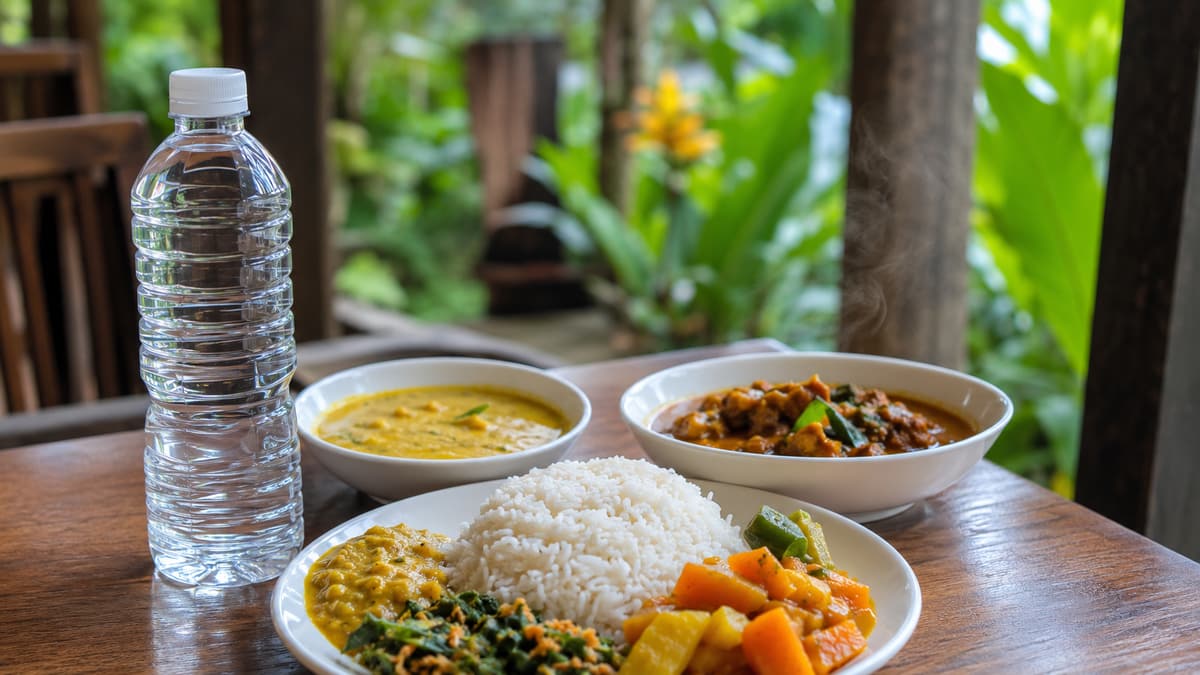
Tap water in Sri Lanka is not safe to drink for visitors. Locals are adapted to the local microbiome; you aren’t. Stick to:
- Bottled water. Cheap, available everywhere. Check the seal is intact when you buy it. Reputable brands are fine; we usually have Aquafresh, Crystal, or similar.
- Filtered water from a known source. Most surf-town guesthouses and restaurants have proper filtration. Ask if you’re unsure.
- Hot tea and coffee. Boiling kills almost everything.
- Carbonated drinks in sealed bottles or cans.
What to avoid:
- Tap water for drinking
- Ice in drinks, unless you’re confident it’s from purified water (most established restaurants in Arugam Bay are fine; street vendors are riskier)
- Brushing teeth with tap water — use bottled instead, especially in your first week
- Fruit juices and smoothies from places where water quality is uncertain — fresh fruit juice can be safe, but added water or ice from a dubious source isn’t
Food
The general rule of food safety in Sri Lanka: hot, fresh, and cooked through is your friend. Things that have been sitting at room temperature or partially cooked are where most problems start.
Generally safe:
- Curries and rice straight from the kitchen, steaming hot
- Hoppers and kottu cooked in front of you
- Fried snacks (vadai, isso vadai, samosas) hot from the oil
- Fruit you peel yourself: bananas, oranges, mangoes, mangosteens, rambutan
- Bread, cooked grains
- Most baked goods
Higher risk:
- Buffets, especially in cheaper places where food may sit out
- Raw salads from places you don’t trust to wash vegetables in safe water (in tourist surf restaurants, usually fine)
- Pre-cut fruit at street stalls
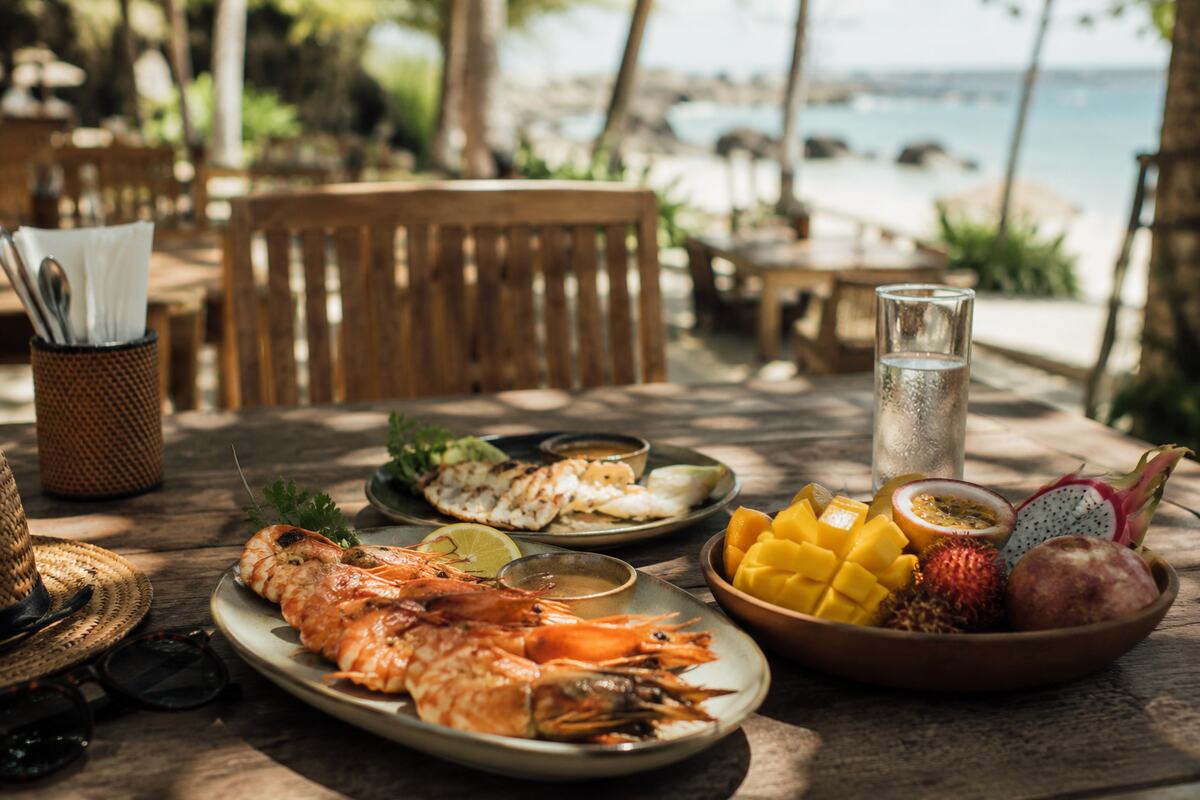
- Shellfish, especially from places that don’t look busy
- Raw or undercooked fish (including some sushi)
- Unpasteurised dairy
- Anything reheated multiple times
Street food: Street food in Sri Lanka can be excellent and is often safer than mediocre restaurant food because of the high turnover. The principle: choose busy stalls where food is cooked to order, not stalls with food sitting around in trays.
A balanced approach
The traveler who tries to eat only at the safest, blandest places usually misses out on the best food, and often gets sick anyway because food poisoning isn’t really about being careful — it’s about exposure to bacteria your gut hasn’t seen before. The traveler who eats freely usually has a rough day or two and then their gut adapts.
A reasonable middle path:
- Be more cautious for the first week while your gut adjusts
- Trust busy, popular places
- Drink only bottled or filtered water
- Carry oral rehydration salts (ORS) in your bag for when something does go wrong
- Don’t take antibiotics “prophylactically” — they cause more problems than they prevent for most travelers
What to do when you get sick
See our article on food poisoning and traveler’s diarrhea. Most cases resolve in three to five days with hydration and rest. Some need a doctor. The threshold for coming to see us: blood in stool, high fever, severe abdominal pain, persistent vomiting, signs of dehydration, or symptoms lasting more than five days.
Related reading
- Food Poisoning and Traveler’s Diarrhea in Sri Lanka
- Fever in the Tropics: When It’s Serious and When It Isn’t
This article is general health information and not a substitute for medical advice.
Related articles
Traveler Health
Allergic Reactions & Anaphylaxis in Sri Lanka: What to Do
New foods, new insects, new sun exposure — Sri Lanka has plenty of new allergy triggers. Here's how to spot a reaction early and what to do if it turns serious.
6 min read
Traveler Health
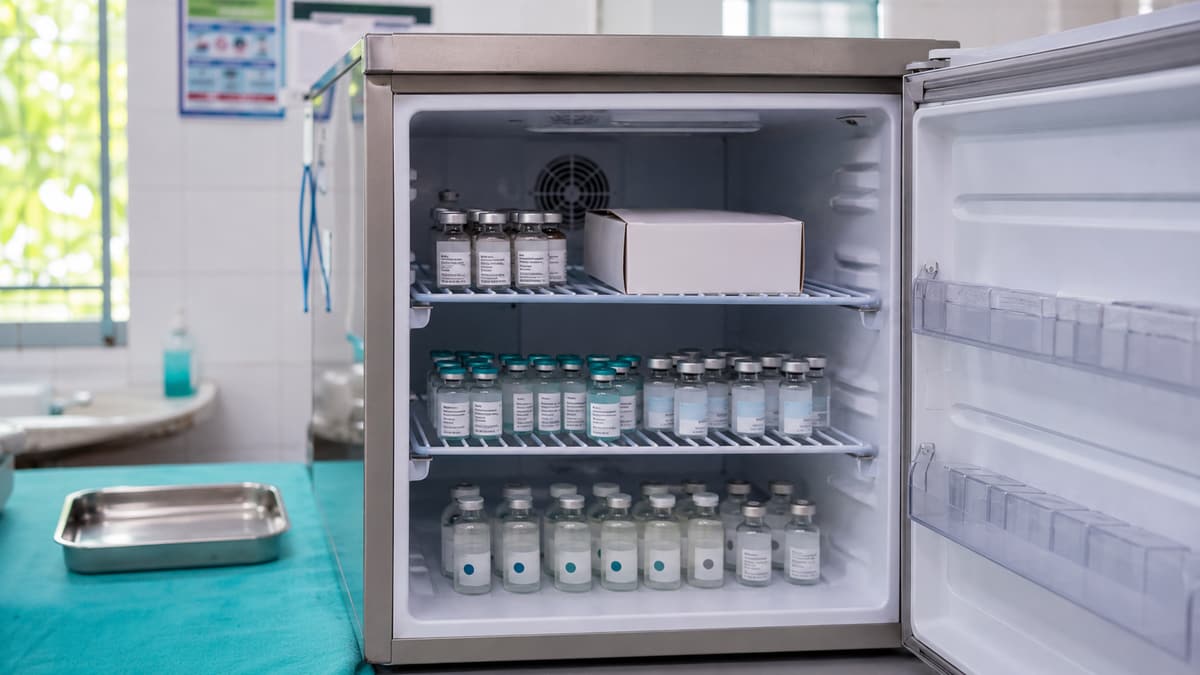
Anti-Rabies Vaccine in Arugam Bay: Where to Get It, Fast
Bitten or scratched by a dog or monkey in Arugam Bay? We stock human anti-rabies vaccine and can start treatment the same day. Here's what to do right now.
6 min read
Traveler Health
Asthma and Breathing Problems in Arugam Bay: Managing Your Inhaler in the Heat and Dust
Heat, dust, incense smoke, and salt air can all trigger asthma in Arugam Bay. Here's how to manage your inhaler, spot a serious flare-up, and what we can do.
8 min read