

Traveler Health
Allergic Reactions & Anaphylaxis in Sri Lanka: What to Do
Aug 5, 2026 · 6 min read
Travel puts you in front of things your body has never met — new seafood, new spices, new insects, sometimes a new brand of sunscreen or a new medication. Most of the time nothing happens. Occasionally something does, and it helps to know the difference between “itchy and annoying” and “get to a clinic now.”
What we mean by an allergic reaction
An allergic reaction happens when your immune system overreacts to something harmless — a protein in prawns, a wasp sting, an antibiotic. Reactions range widely in severity, and the same trigger can cause a mild reaction one time and a much bigger one the next, so past experience isn’t a guarantee.
Mild to moderate reactions usually involve:
- Hives (raised, itchy welts) or a blotchy rash
- Localised swelling, often around the eyes or lips
- Sneezing, a runny or blocked nose, itchy or watery eyes
- Mild stomach upset — cramping, nausea, a few loose stools
Anaphylaxis is the severe, whole-body version, and it’s a medical emergency. It typically develops within minutes of exposure, though it can take up to an hour. Signs include:
- Difficulty breathing, wheezing, or a tight throat
- Swelling of the lips, tongue, or throat
- A fast, weak pulse or a feeling of impending collapse
- Widespread hives combined with dizziness or fainting
- Vomiting or severe abdominal pain appearing alongside any of the above
- A sense of dread or confusion
If you or someone with you shows any of these signs, this is not a “wait and see” situation. Call 1990 for a free ambulance, or get to us immediately — anaphylaxis can progress fast, and the earlier adrenaline is given, the better the outcome.
The triggers we see most in Arugam Bay
Seafood. Prawns, crab, and other shellfish are everywhere on the menu here, often in dishes you wouldn’t expect — a curry base, a stock, a “seafood fried rice” that also contains chicken. If you have a known shellfish allergy, ask directly about shared woks and fryers, not just the ingredient list, since cross-contact is common in small kitchens.
Peanuts and cashews. Sri Lankan cooking uses both generously, including ground into curries and sauces where they aren’t visually obvious.
Insect stings. Wasps and bees are common around the bay, and a sting that’s merely painful for most people can be a genuine emergency for someone with a venom allergy.
New medications. Antibiotics (especially penicillin-family drugs) and some anti-malarials are the most common culprits. If you’ve reacted to a medication before, tell us before we prescribe anything.
Heat and sweat. Not a true allergy, but a heat rash or a reaction to sunscreen, insect repellent, or a new laundry detergent at your guesthouse can look alarmingly similar to an allergic rash. Worth mentioning if you’re trying to work out what changed.
What to do for a mild reaction
- Remove the trigger if you can identify it — stop eating, get away from the insect, wash off a product that touched the skin.
- Antihistamines (cetirizine or loratadine are widely available at pharmacies here, including ours) settle hives, itching, and a runny nose within an hour or so.
- Cool compresses ease localised swelling and itch.
- Watch it for the next thirty to sixty minutes. Reactions can escalate, particularly the first time you’re exposed to something. If new symptoms appear — especially anything on the anaphylaxis list above — stop treating it as mild.
What to do for anaphylaxis
- Use an adrenaline auto-injector (EpiPen or equivalent) immediately if the person carries one. Don’t wait to see if it’s “really” needed — adrenaline given early is safe and is the only thing that reliably reverses anaphylaxis. Inject into the outer thigh, through clothing if necessary.
- Call 1990 for free ambulance transport, or bring the person straight to us if we’re closer and transport is faster that way.
- Lie the person flat with legs raised, unless they’re struggling to breathe, in which case let them sit up in whatever position is easiest for them.
- A second dose of adrenaline can be given after five to fifteen minutes if there’s no improvement and a second auto-injector is available.
- Stay with them. Symptoms can return hours after they seem to settle, which is why anyone who has had anaphylaxis needs a period of observation, ideally in a clinic setting, even after adrenaline works.
We stock adrenaline, antihistamines, and steroids, and can manage a reaction with oxygen and monitoring on site. For anything beyond a mild, fully-resolved case, we’ll want to observe you for a few hours regardless of how quickly the symptoms settle.
If you already know you have a serious allergy
- Travel with your auto-injector in your day bag, not just your suitcase — reactions happen at the beach, on a tuk-tuk, at breakfast.
- Carry a spare if you can. Sri Lankan pharmacies don’t reliably stock every brand of auto-injector, so bring more than you think you’ll need.
- Learn a few key words for your allergen in Sinhala or Tamil, or keep them written on your phone to show kitchen staff directly. “No shellfish” said to a waiter doesn’t always reach the cook.
- Tell us when you register with us, even for an unrelated visit — it takes thirty seconds and means we’re not starting from zero if something happens later in your stay.
Related reading
- Jellyfish Stings on Sri Lanka’s East Coast: First Aid That Actually Works
- Food and Water Safety in Sri Lanka
- What to Pack in Your Travel First-Aid Kit for Arugam Bay
This article is general health information and not a substitute for medical advice. For a severe allergic reaction, call 1990 or come to us immediately — we’re open 24/7.
Related articles
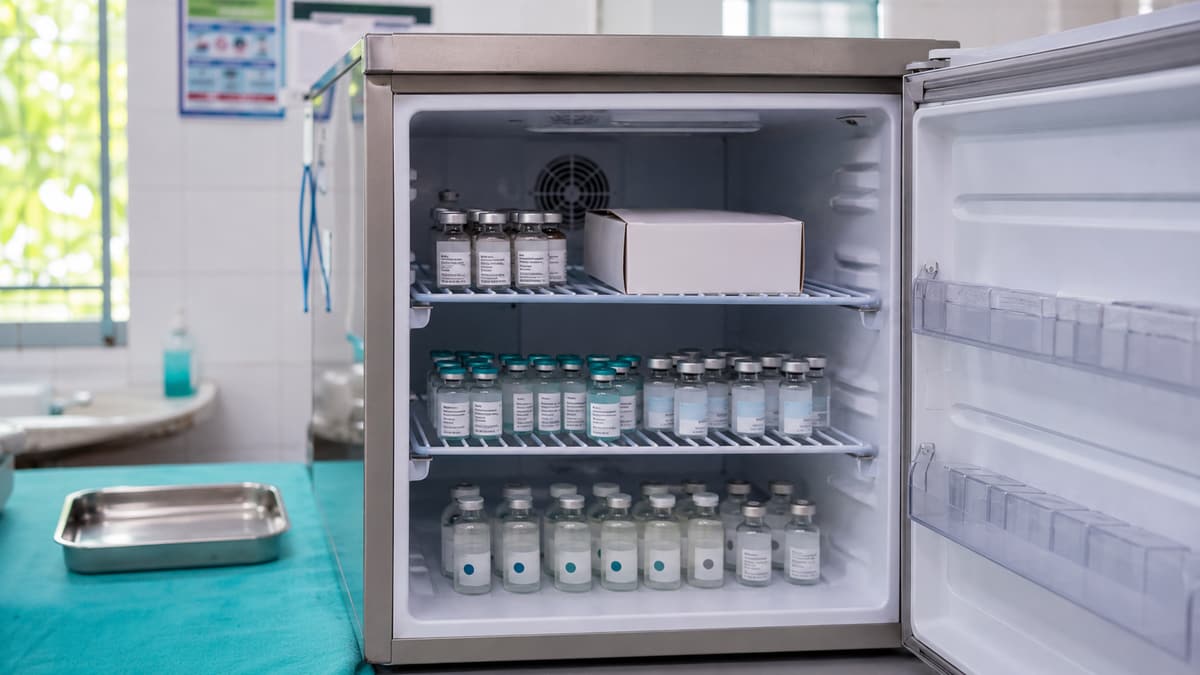
Traveler Health
Anti-Rabies Vaccine in Arugam Bay: Where to Get It, Fast
Bitten or scratched by a dog or monkey in Arugam Bay? We stock human anti-rabies vaccine and can start treatment the same day. Here's what to do right now.
6 min read
Traveler Health
Asthma and Breathing Problems in Arugam Bay: Managing Your Inhaler in the Heat and Dust
Heat, dust, incense smoke, and salt air can all trigger asthma in Arugam Bay. Here's how to manage your inhaler, spot a serious flare-up, and what we can do.
8 min read
Traveler Health
Bed Bug Bites in Guesthouses: Identification and Treatment
Woke up with itchy bites in a line? Here's how to tell bed bugs from mosquitoes, treat the itch properly, and stop carrying them to your next guesthouse.
6 min read