Arugam Bay Safety
Scooter and Motorbike Safety in Arugam Bay: Avoiding the Injuries We See Most
Jul 28, 2026 · 8 min read
A rented scooter is the freedom of an Arugam Bay trip: board rack on the side, a few minutes to the point, off to Whiskey Point or Peanut Farm whenever the wind is right. It is also, honestly, the single most dangerous thing most travelers do here. The injuries we treat from surfing are usually small. The injuries we treat from scooters are the ones that end trips, and occasionally do far worse.
None of this is meant to scare you off two wheels. Most people ride all season without a scratch. But a few simple habits separate the riders we never see from the ones who arrive at 2am with gravel in their skin.
Why the roads here are different
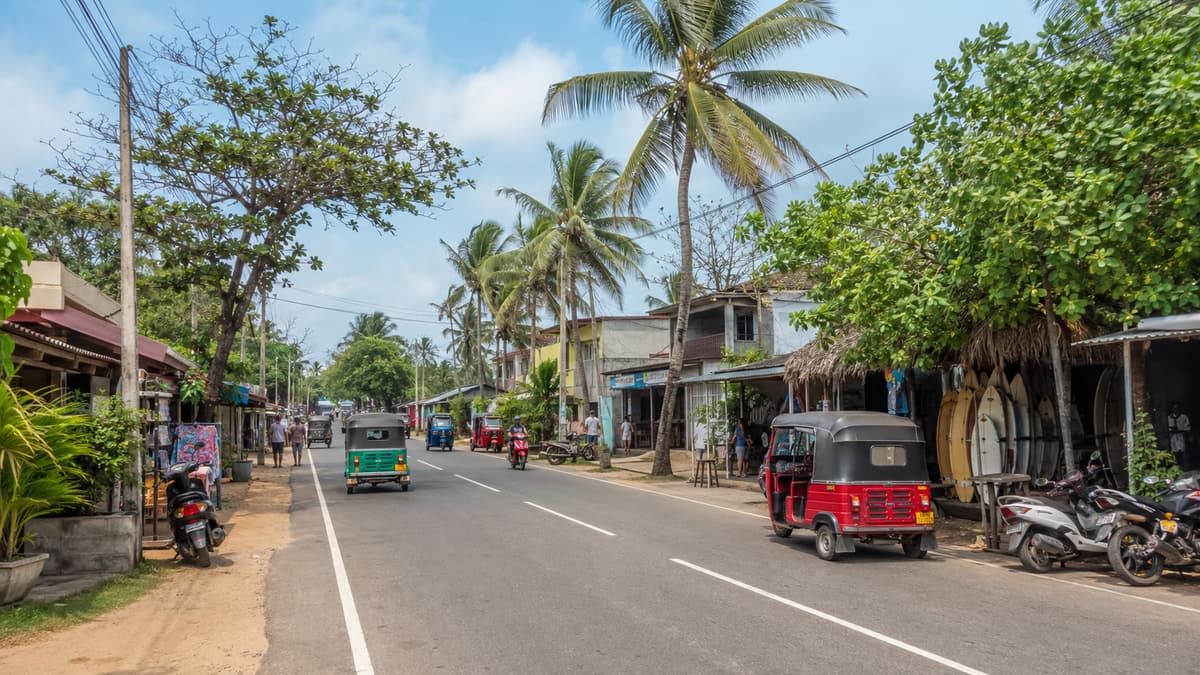
You may ride confidently at home. Sri Lankan roads ask for a different kind of attention:
- Traffic mixes everything. Buses, tuk-tuks, cattle, dogs, cyclists, and pedestrians share the same lane, often with little warning.
- Surfaces change fast. Smooth tarmac becomes sand, gravel, or a pothole around a blind bend. Wet season adds mud and standing water.
- Overtaking is constant. Buses and vans overtake into oncoming traffic and expect you to move onto the shoulder.
- Animals appear from nowhere. A dog crossing at dusk causes more crashes here than you would guess.
The two classic accidents we see are the low-speed sand slide (front wheel washes out on a sandy corner) and the collision or swerve caused by an animal or overtaking vehicle.
The five things that actually keep you safe
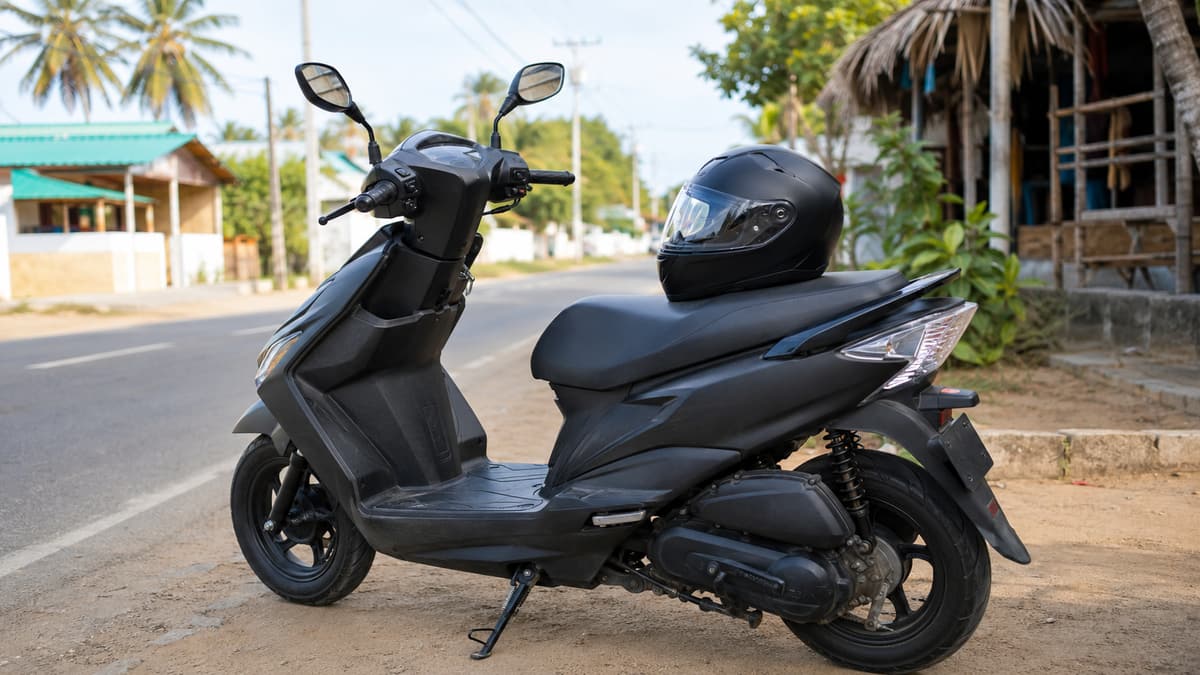
- Wear a helmet, every single ride. It is the difference between a headache and a head injury. Most scooter fatalities and serious brain injuries are unhelmeted riders on short “just down the road” trips. Insist on a helmet when you rent, and do up the strap.
- Cover your skin. The most common scooter injury we treat is not dramatic — it is “road rash,” raw gravel-filled grazes to feet, ankles, knees, and hands from a low slide. Flip-flops and boardshorts offer no protection. Closed shoes and something over your legs turn a hospital visit into a bad scrape.
- Ride slower than you want to. Almost every crash we see would have been minor or avoided at a lower speed. There is no rush here. Leave early instead of riding fast.
- Never ride after drinking. Evenings out plus a scooter home is how a good night becomes an emergency. Walk, share a tuk-tuk, or stay put.
- Assume you are invisible. Ride as if no one can see you, because often they cannot. Hang back from buses, do not sit in blind spots, and never trust that oncoming traffic will hold its lane.
Check the bike before you ride it
A two-minute check before you take a rental:
- Brakes — both front and rear should bite firmly.
- Tyres — enough tread and properly inflated, not bald or soft.
- Lights — headlight, brake light, and indicators working, because you will ride at dusk.
- Mirrors — present and adjusted.
Take a photo of any existing damage before you ride away, so you are not charged for it later.
The licence and insurance trap
This is the part that catches travelers out, and it matters more than the riding:
- To ride legally in Sri Lanka you need a valid motorcycle licence from home plus a recognised International Driving Permit, or a temporary local permit. A car licence does not cover a motorbike.
- Most travel insurance policies will not pay out for a scooter accident if you were not legally licensed to ride, or if you were not wearing a helmet. Read your policy before you rent, not from a hospital bed.
An uninsured scooter crash can turn a cheap rental into the most expensive decision of your trip. Sort the paperwork first. See our guide to travel insurance in Sri Lanka for what to check.
If you come off
Even careful riders slide sometimes. If it happens:
- Get off the road to a safe spot before anything else.
- Clean any graze thoroughly with fresh water — road rash embeds dirt and grit that causes infection within a day if it is not scrubbed out. This is exactly the kind of wound we clean properly under good light.
- Come and see us for anything deeper than a surface scrape, anything on a joint or the face, any wound you cannot get clean, or if your tetanus shot is not current. We can clean and dress the wound, check for fractures, and give a tetanus booster.
- For a serious crash — head injury, someone knocked out, a bad fracture, heavy bleeding — call 1990 for the free national ambulance first, then call us.
We are open 24 hours, so it does not matter what time the accident happens. Come in.
This article is general safety and health information, not a substitute for medical advice. If you have been in a road accident in Arugam Bay, come in any time, day or night, or call 1990 for emergency transport.