
Traveler Health
Snake Bites in Sri Lanka: First Aid That Actually Works
Aug 4, 2026 · 7 min read
Sri Lanka has one of the highest rates of snakebite in the world, and several of the species involved are genuinely dangerous. Most visitors will never see a venomous snake, let alone get bitten by one — but Arugam Bay sits right where surf town meets paddy field, lagoon, and scrub jungle, and that’s exactly the kind of edge where snakes turn up. Knowing the difference between real first aid and folk remedies matters, because some of the “traditional” treatments people still try do more harm than the bite itself.
The snakes that matter
Sri Lanka has around ninety snake species, and the overwhelming majority are harmless. A handful are medically significant:
- Russell’s viper — thick-bodied, chain-patterned, found in scrub and paddy land. Responsible for the largest share of serious bites in the country. Its venom affects blood clotting and can cause kidney damage.
- Common krait — slender, banded black-and-white, mostly nocturnal. Bites are sometimes almost painless at first, which is exactly what makes them dangerous — people go back to sleep and don’t realise anything is wrong until breathing becomes difficult hours later.
- Saw-scaled viper — small but highly venomous, found in drier scrub areas.
- Hump-nosed viper — common, often underestimated; can cause significant local damage and clotting problems.
- Cobra — recognisable by the hood when threatened, found across the island including around villages and cultivated land.
Beyond these, Sri Lanka has several rear-fanged and mildly venomous species, plus dozens of completely harmless ones, including large rat snakes that people often mistake for something more dangerous. You don’t need to identify the species yourself — that’s our job once you’re with us. What matters in the moment is treating every bite from an unidentified snake as potentially serious.
Where and when bites happen
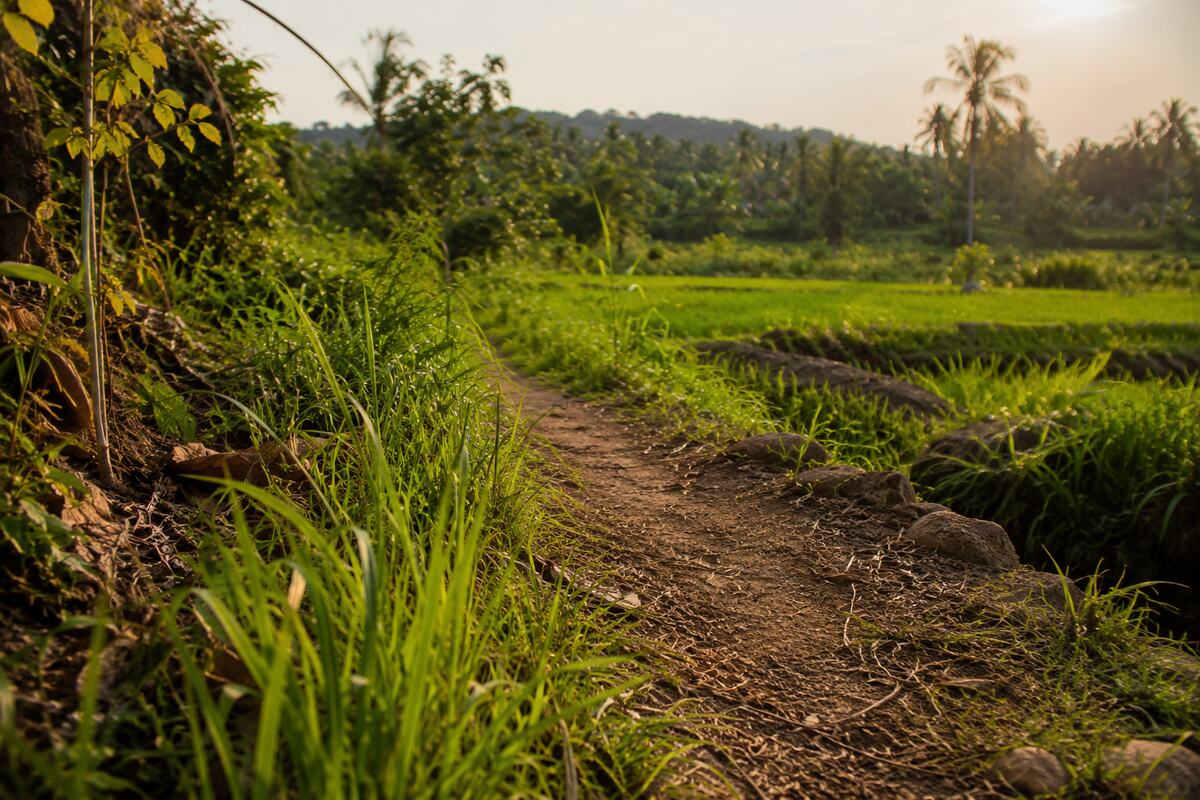
Almost all snakebites in the Arugam Bay area follow a pattern: bare feet or sandals, low light, and grass or undergrowth. Common situations include:
- Walking to an outdoor bathroom or between rooms at night without a torch
- Cutting through long grass, dunes, or scrub off the main paths
- Stepping over rocks or logs without looking first
- Reaching into thick vegetation, woodpiles, or gaps in walls
- Walking paddy field bunds or lagoon edges, especially around dusk
- The period just after rain, when snakes move to higher, drier ground
Bites to tourists in the town centre and on the beach itself are uncommon. Risk goes up the moment you’re walking off a lit path after dark or moving through long grass.
First aid: what actually works
If you or someone with you is bitten:
- Move away from the snake and stay calm. You don’t need to identify or catch it — a phone photo from a safe distance is useful, but never worth a second bite.
- Keep the bitten limb still and below heart level if possible. Movement and muscle pumping speed the spread of venom through the lymphatic system.
- Remove rings, watches, and anything tight near the bite before swelling starts.
- Apply a firm (not tight) pressure bandage over the bite and up the limb, similar to how you’d bandage a sprain — firm enough to compress but not so tight you cut off circulation. Splint the limb to reduce movement. This is the technique with actual evidence behind it, and it’s very different from a tourniquet.
- Get to us or the nearest hospital immediately. Call 1990 for a free ambulance if transport is a problem. Don’t wait to see if symptoms develop — some of the most dangerous bites cause little pain at first.
- Note the time of the bite and, if you can, watch for progression — spreading swelling, bruising, drooping eyelids, or difficulty swallowing are all things we’ll want to know about.
What not to do
Several widely repeated pieces of snakebite advice are outdated or actively dangerous:
- Don’t apply a tight tourniquet. Cutting off blood flow entirely can cause tissue death and doesn’t stop venom already circulating through the lymphatic system.
- Don’t cut the wound or try to suck out venom. This doesn’t remove meaningful venom and adds infection risk and tissue damage.
- Don’t apply ice. It doesn’t slow venom and can worsen local tissue injury.
- Don’t give the person alcohol, or apply herbal poultices, ash, or “snake stones.” None of these have any effect on venom, and some delay proper treatment during the window when it matters most.
- Don’t try to catch or kill the snake to bring it in. Description and a photo from a distance are enough for identification.
What we do
We can assess the bite, apply proper wound care, monitor for early signs of envenomation, give supportive treatment, and check your tetanus status. Antivenom in Sri Lanka is polyvalent and is stocked at regional hospitals rather than small clinics, so if there are signs of a serious envenomation — spreading swelling, bleeding from the gums or old wounds, difficulty breathing, drooping eyelids, or dark urine — we’ll stabilise you and coordinate an urgent transfer to a hospital that holds antivenom, which for this area is usually Ampara or a larger Colombo hospital for complex cases. Many bites, especially from non-venomous species or “dry bites” with no venom injected, need nothing more than a wound check and observation — but that distinction is one we need to make in person, not something to guess at yourself.
If you have travel insurance, we handle the paperwork directly and can provide an itemised English-language receipt, so a claim for hospital transfer or antivenom costs is straightforward once you’re home.
Prevention
- Wear closed shoes after dark, even for a short walk to a bathroom or between rooms. Sandals are the single biggest risk factor we see.
- Carry a torch or use your phone light any time you’re walking off a lit path at night.
- Watch where you put your hands and feet around woodpiles, rock walls, dense undergrowth, and long grass.
- Shake out shoes and boots that have been left outside overnight before putting them on.
- Give snakes room. Nearly all bites happen when a snake is startled or stepped on, not from an unprovoked attack. A snake that senses you coming will almost always move away first.
- Take extra care just after rain, when snakes are more likely to be moving to drier ground, including paths and gardens.
A note for surfers and travelers
The classic Arugam Bay snakebite risk isn’t the beach — it’s the walk back from a late surf session through dune grass in bare feet, or a night stroll to a jungle-adjacent guesthouse without a light. If you’re doing an inland trip — a lagoon boat ride, a walk through paddy fields, or a stay somewhere more rural — closed shoes and a torch after dark are cheap insurance against the one hazard in Sri Lanka that’s genuinely worth respecting.
Related reading
- Rabies and Animal Bites in Sri Lanka
- Emergency Numbers in Sri Lanka: A Traveler’s Guide
- Arugam Bay Safety Guide: A Local’s Perspective
This article is general health information and not a substitute for medical advice. If you or someone with you is bitten by a snake, come to us or the nearest hospital immediately, or call 1990 for emergency transport.
Related articles
Traveler Health
Allergic Reactions & Anaphylaxis in Sri Lanka: What to Do
New foods, new insects, new sun exposure — Sri Lanka has plenty of new allergy triggers. Here's how to spot a reaction early and what to do if it turns serious.
6 min read
Traveler Health
Anti-Rabies Vaccine in Arugam Bay: Where to Get It, Fast
Bitten or scratched by a dog or monkey in Arugam Bay? We stock human anti-rabies vaccine and can start treatment the same day. Here's what to do right now.
6 min read
Traveler Health
Asthma and Breathing Problems in Arugam Bay: Managing Your Inhaler in the Heat and Dust
Heat, dust, incense smoke, and salt air can all trigger asthma in Arugam Bay. Here's how to manage your inhaler, spot a serious flare-up, and what we can do.
8 min read