
Common Illnesses
Heartburn and Acid Reflux from Spicy Sri Lankan Food: What Actually Helps
Oct 20, 2026 · 7 min read
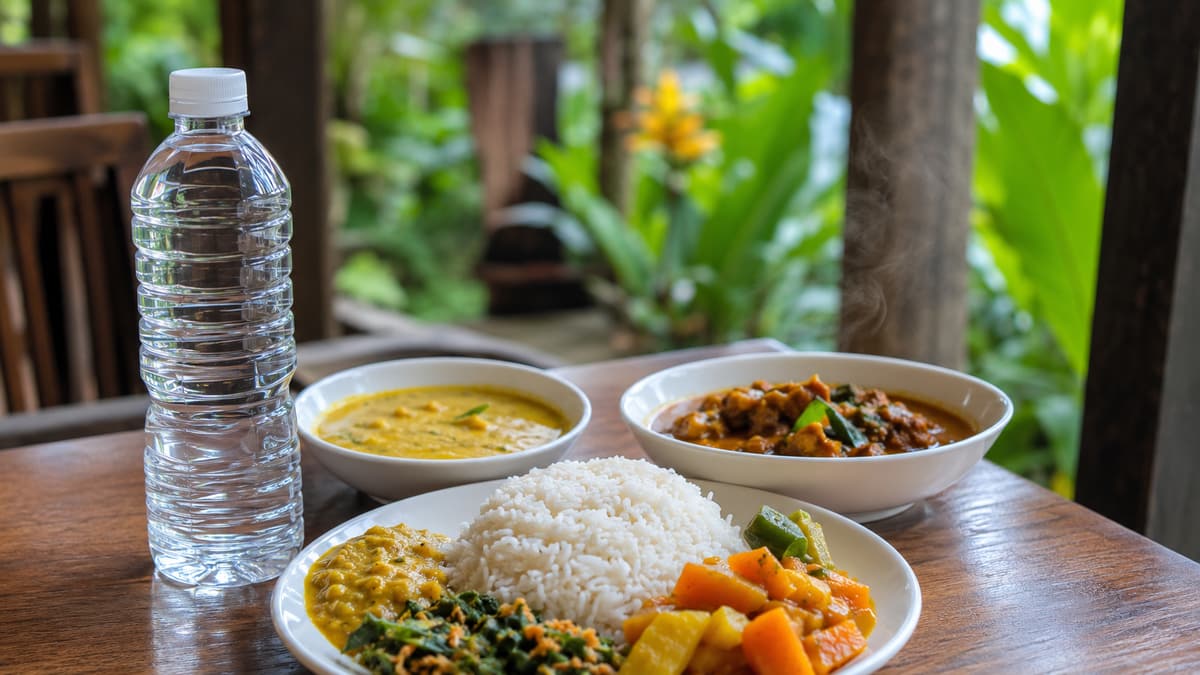
Sri Lankan food is some of the best on any surf trip itinerary, and also some of the most aggressive on a stomach that isn’t used to it. We see a steady stream of travelers at the clinic clutching their chest after a few days of curry and rice, convinced something is seriously wrong, when what they actually have is straightforward acid reflux. It’s uncomfortable, it’s very common, and it’s almost always manageable without a hospital visit.
Why Arugam Bay food hits differently
Sri Lankan curries lean hard on chilli, black pepper, mustard seed, and a long list of other spices that locals have built up tolerance to over a lifetime. Visitors usually haven’t. On top of that, three things specific to a beach holiday make reflux worse here:
- Coconut oil and coconut milk are used generously in curries. They’re delicious but slow to digest and relax the valve between your stomach and oesophagus, which is exactly the valve you need working properly to keep acid where it belongs.
- Alcohol in the evening, often on top of a late, heavy dinner, both increases stomach acid and relaxes that same valve.
- Lying flat soon after eating — easy to do when your guesthouse bed is twenty metres from the restaurant table and the day’s surfing has worn you out.
None of that means you need to avoid Sri Lankan food. It means a few habits make the difference between enjoying it and being up at 2am with a burning chest.
What acid reflux actually feels like
The classic pattern is a burning sensation that starts around the lower chest or upper stomach and can travel up toward the throat, sometimes with a sour or bitter taste reaching the back of the mouth. It often gets worse lying down, worse after a large or spicy meal, and better sitting upright. Some people also get a persistent cough, a hoarse voice in the morning, or a feeling of food “sticking” partway down.
It’s worth knowing the difference between this and something more urgent. Reflux is usually described as burning and is related to meals and position. Chest pain that is crushing or pressure-like, comes with shortness of breath, spreads to the arm or jaw, or happens with exertion rather than after eating is a different problem entirely and needs to be checked immediately — don’t talk yourself out of coming in if something feels off.
What actually helps
- Antacids (chewable calcium carbonate tablets, or liquid suspensions) work within minutes by neutralising acid that’s already there. We stock these at the clinic and most pharmacies in town carry them too.
- H2 blockers like famotidine reduce acid production for several hours and work well taken before a meal you expect will trigger symptoms.
- Proton pump inhibitors like omeprazole are the strongest option and are what we’d typically recommend if reflux is happening most days of your trip — they take a day or two to build up full effect but control symptoms far more completely than antacids.
- Sit upright for at least an hour after eating. If you’re going to nap after lunch, prop yourself up rather than lying flat.
- Eat the spicy stuff earlier in the day rather than at a late dinner, if you’re prone to reflux.
- Go easy on the rice portion that comes swimming in curry sauce. A large volume of food stretches the stomach and makes reflux more likely regardless of how spicy it is.
- Skip the after-dinner beer on nights your stomach is already unsettled, or at least leave a gap before lying down.
Most of these medications are available without a prescription in Sri Lanka, and we can advise on dosing and which option suits your situation if you walk in.
When to come and see us
Come in rather than self-treating if:
- Symptoms are happening most days and over-the-counter antacids aren’t keeping up
- You have trouble or pain swallowing, or food feels like it’s getting stuck
- You’re vomiting, especially if there’s any blood or it looks like coffee grounds
- Your stools turn black or tarry
- You’re losing weight without trying
- The pain doesn’t fit the classic “burning after meals” pattern described above, especially if it comes with breathlessness or arm/jaw pain
We can examine you, rule out anything more serious, and get you on the right medication quickly rather than you guessing at pharmacy shelves. We also facilitate insurance claims and can give you an itemised English-language receipt for any consultation or medication, which makes submitting a travel insurance claim back home straightforward.
Related reading
- Traveller’s Constipation in Sri Lanka: Why It Happens and How to Fix It
- Food Poisoning and Traveler’s Diarrhea: What To Do
- Painkillers in Sri Lanka: What’s Available and What’s Safe
This article is general health information and not a substitute for medical advice. If heartburn isn’t settling, or anything about your symptoms feels different from ordinary reflux, walk in any time, day or night, or call 1990 for emergency transport.
Related articles

Common Illnesses
Boils and Skin Abscesses in Arugam Bay: When They Need to Be Drained
Heat, sweat, and sand turn a blocked hair follicle into a painful boil fast in Arugam Bay. Here's how to tell a boil from a pimple and when it needs draining.
7 min read
Common Illnesses
Common Cold and Flu in Sri Lanka: Managing Respiratory Illness While Traveling
A blocked nose and sore throat in Arugam Bay usually is just a cold. Here's how to tell it apart from something more serious, and how to treat it fast.
7 min read
Common Illnesses
Dehydration in the Tropics: Oral Rehydration Salts and When You Need an IV Drip
Heat, surfing, and stomach bugs dehydrate travelers fast in Sri Lanka. Learn how to rehydrate properly, and when oral salts are not enough and you need a drip.
7 min read