
Common Illnesses
Traveller's Constipation in Sri Lanka: Why It Happens and How to Fix It
Aug 7, 2026 · 6 min read
We talk a lot about traveler’s diarrhea because it’s dramatic and it ruins plans fast. What we see just as often, and what almost nobody mentions before their trip, is the opposite problem. A few days into a stay in Arugam Bay, plenty of travelers find they simply can’t go. It’s uncomfortable, it’s a bit embarrassing to bring up, and it’s almost always fixable without medication.
Why it happens here specifically
Constipation on the road isn’t random. A handful of things stack up at once in a place like Arugam Bay:
- Dehydration. Heat and humidity mean you’re losing fluid through sweat all day, especially if you’re surfing two sessions a day. If you’re not deliberately replacing it, your gut is one of the first places that shows it — stool becomes hard and slow-moving when your body is holding onto every drop of water it can.
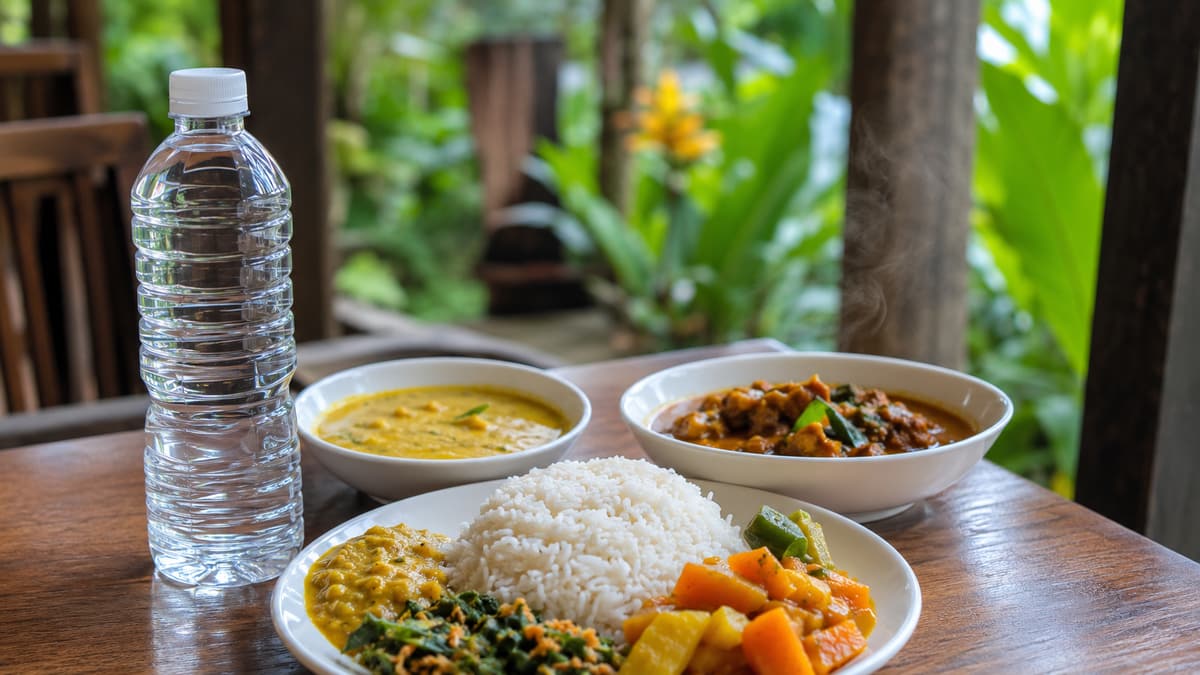
- A change in diet. Less fibre than you’re used to, more white rice and roti, more fried food, less of the wholegrain and raw vegetable intake many people get automatically at home. Delicious, but low in the bulk your gut relies on.
- Disrupted routine. New time zone, early surf checks, long tuk-tuk transfers, unfamiliar bathrooms. Your gut runs on habit more than people realize, and travel breaks the habit.
- Less movement than it looks like. Surfing feels like exercise — and it is — but hours spent sitting on buses, in vans, or on a board waiting for a set doesn’t move your bowels the way walking and regular activity does at home.
- Withholding. Long travel days, squat toilets, or just not wanting to use an unfamiliar bathroom leads people to ignore the urge to go. Do this a few times in a row and the urge gets weaker each time.
Any one of these alone is usually manageable. Add heat, a new diet, dehydration, and a disrupted routine together, and it’s no surprise so many travelers get backed up within their first week.
What to do about it
The good news is that traveller’s constipation almost always responds to simple changes, usually within a day or two.
- Drink more than you think you need. Not just water — coconut water, in particular, is excellent here and easy to find on every street corner in Arugam Bay. Aim for pale yellow urine as your rough guide. If you’re sweating through surf sessions, add oral rehydration salts once a day as well.
- Add fibre deliberately. Papaya, pineapple, banana, and mango are all available fresh and all help. Papaya in particular has a mild natural laxative effect that’s worked for generations here. Ask for extra vegetables with your rice and curry, or add a side of dhal, which is high in fibre and on almost every menu.
- Move your body beyond surfing. A twenty- to thirty-minute walk, ideally in the morning, does more for your gut than an extra hour in the water. Walking stimulates the bowel in a way that sitting on a board doesn’t.
- Don’t ignore the urge. As soon as you feel it, go, even if the bathroom isn’t ideal. Waiting trains your gut to ignore the signal.
- Try warm liquids in the morning. A hot cup of Ceylon tea or plain warm water first thing can help trigger a bowel movement — an old trick that still works.
- If those don’t shift things within a couple of days, an over-the-counter osmotic laxative (such as lactulose) or a stimulant laxative (such as senna) works well and is available at any pharmacy in Arugam Bay, including ours. We can advise on the right one and the right dose for you.
What not to do
Don’t reach for strong stimulant laxatives as a first move, and don’t take them for more than a few days without medical advice — overuse can make your gut lazier over time, not less. Don’t cut back on fluids thinking it’ll “firm things up” — that’s the opposite of what your gut needs.
When to come and see us
Most cases resolve with the steps above. Come in if:
- You haven’t had a bowel movement in more than five days
- You have significant abdominal pain, bloating, or swelling
- You notice blood in your stool or on the toilet paper
- You’re vomiting alongside the constipation
- You have a fever along with abdominal pain
- Over-the-counter laxatives haven’t helped after a couple of days
These are usually still straightforward to sort out, but worth a check to rule out anything else going on, especially if you’re also dealing with hemorrhoids from straining, which is common and easily treated.
Related reading
- Dehydration in the Tropics: Oral Rehydration Salts and When You Need an IV Drip
- Food and Water Safety in Sri Lanka
This article is general health information and not a substitute for medical advice. If something feels off or doesn’t resolve, walk in and see us, or call 1990 for free emergency ambulance transport.
Related articles

Common Illnesses
Common Cold and Flu in Sri Lanka: Managing Respiratory Illness While Traveling
A blocked nose and sore throat in Arugam Bay usually is just a cold. Here's how to tell it apart from something more serious, and how to treat it fast.
7 min read
Common Illnesses
Dehydration in the Tropics: Oral Rehydration Salts and When You Need an IV Drip
Heat, surfing, and stomach bugs dehydrate travelers fast in Sri Lanka. Learn how to rehydrate properly, and when oral salts are not enough and you need a drip.
7 min read

Common Illnesses
Ear Wax Removal in Arugam Bay: Blocked Ears After Surfing
Blocked, muffled ear after surfing or swimming in Arugam Bay? We safely remove ear wax and check for infection the same day. Here's what's going on and what not to do.
5 min read