
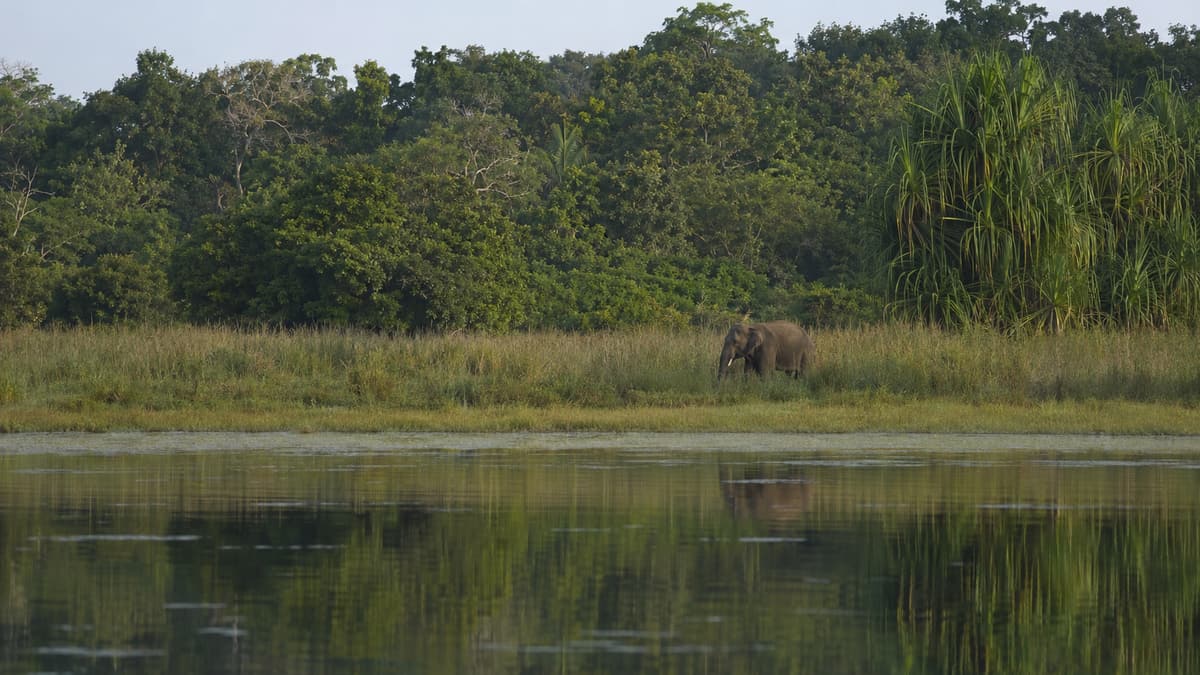
Arugam Bay Safety
Wild Elephants on the Road to Arugam Bay: Staying Safe After Dark
Sep 17, 2026 · 7 min read
Most visitors picture wild elephants as something you see on a safari, from a jeep, at a safe distance. Around Arugam Bay, that’s not quite the reality. The roads connecting Pottuvil to Lahugala, Monaragala, and the edges of Kumana National Park run straight through elephant corridors, and it’s genuinely common for a wild elephant to be standing on or crossing the road at dusk or after dark. We see the occasional injury from these encounters, almost always because someone got too close in a vehicle or on foot, and it’s one of the more avoidable problems we treat.
Why elephants are on the road at all
This part of Sri Lanka has one of the highest concentrations of human-elephant conflict in the country. Elephant corridors that existed long before the roads did now cross tarmac, paddy fields, and settlements around Lahugala, Panama, and the buffer zones of Kumana. Elephants move between forest patches and feeding grounds, and the tank at Lahugala in particular draws them close to the main road at certain times of year. They’re most active from late afternoon through the night, which is exactly when tourists are driving back from a day trip, a sunset spot, or dinner.
Bull elephants that have been pushed out of protected areas by habitat loss, and that raid crops or bins for food, can also become bolder around vehicles and less predictable than elephants deep in the national parks. This isn’t a reason to panic, but it is a reason to take the roads seriously after dark.
If you see an elephant on the road
- Stop well back, at least 50 to 100 metres if you can. Don’t creep forward to get a closer look or a better photo.
- Stay in the vehicle. A car, jeep, or even a tuk-tuk gives you far more protection than standing in the open. If you’re on a scooter, this is harder — see below.
- Turn off headlights or dip them, and cut the engine noise if it’s safe to do so. Bright lights and revving engines are what most often provoke a charge, not the elephant’s natural curiosity.
- Never use flash photography. It startles elephants and has caused charges on this exact stretch of road before.
- Watch the ears and trunk. Flared ears, a raised trunk, or mock charges (a short rush that stops) are warning signs to reverse away immediately, not to wait and see.
- Give it an escape route. Don’t block the road on both sides, and don’t get between an elephant and the direction it’s clearly trying to move, especially if there’s a calf nearby.
- Reverse slowly, don’t spin around fast. Sudden movement and noise are more likely to trigger a charge than a slow, calm retreat.
Riding a scooter or tuk-tuk after dark
This is where the real risk sits for most travelers. A scooter offers no protection at all if an elephant is startled or charges, and tuk-tuk headlights are often too weak to spot an elephant standing at the roadside until you’re close.
- Avoid riding the Pottuvil–Lahugala–Monaragala road, and the roads around Panama and Kumana’s buffer zone, after dark if you can help it. Plan day trips so you’re back before dusk.
- If you must travel at night, go slowly and use a trusted driver who knows the road, not the cheapest option. Local drivers generally know which stretches and which nights are riskier.
- Keep well back from any vehicle stopped ahead of you on these roads at night — it’s often stopped because there’s an elephant nearby.
- If you round a bend and an elephant is close, stop immediately rather than trying to pass it. Do not attempt to drive past or around an elephant on the road.
If there’s an accident or a charge
- If a vehicle is overturned or someone is thrown, don’t rush toward the elephant to help — get everyone clear first, then approach the injured person once the animal has moved off.
- Call 1990 for the free national ambulance for any injury involving a fall, a collision, or being struck — even if someone feels alright at first, the adrenaline of an elephant encounter can mask pain from a fracture or head injury.
- Come and see us for any injury from a fall or crash caused by an elephant encounter, however minor it seems. We’re open 24 hours, so it doesn’t matter what time of night it happens. We check for fractures, concussion, and road-rash wounds that need cleaning, and we can give you an itemised English-language receipt for your travel insurance.
- Report the incident to your guesthouse and the Department of Wildlife Conservation if the elephant appeared distressed, injured, or unusually aggressive — this helps track problem areas.
The bottom line
An elephant on the road near Arugam Bay is not a photo opportunity — it’s a wild animal on its own territory, and it deserves the same distance and respect you’d give it in a national park. Most encounters end with nothing more than a good story and a long wait for the road to clear. The ones that end badly are almost always because someone got too close, used a flash, or tried to push past. Slow down, keep your distance, and let the elephant decide when the road is clear.
Related reading
- Tuk-Tuk Safety in Arugam Bay: What Riders Need to Know
- Scooter and Motorbike Safety in Arugam Bay: Avoiding the Injuries We See Most
- Emergency Numbers in Sri Lanka: Who to Call and When
This article is general safety information, not a substitute for medical advice or official wildlife guidance. If you’ve been injured in an elephant encounter or road accident near Arugam Bay, come in any time, day or night, or call 1990 for emergency transport.
Related articles
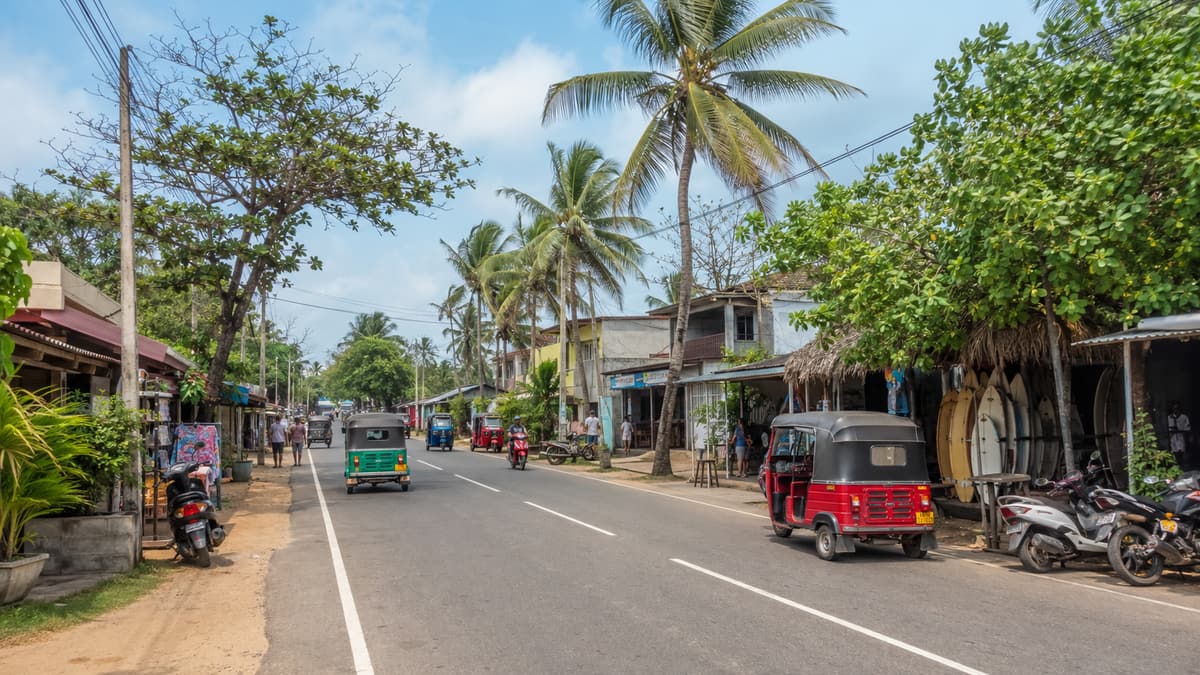
Arugam Bay Safety
Arugam Bay Safety Guide: A Local's Perspective
Arugam Bay is one of the safest surf towns in Sri Lanka, but there are still local hazards worth knowing. Tuk-tuks, swimming, wildlife, monsoons, and more.
7 min read
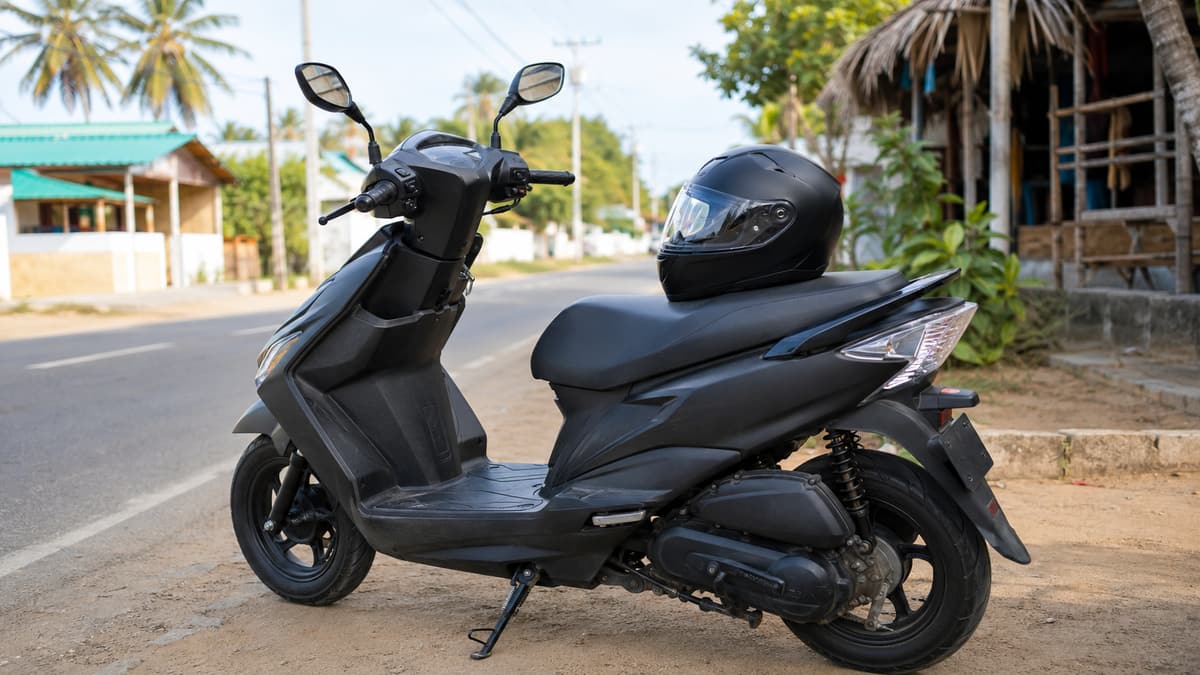
Arugam Bay Safety
Beach Bonfire Burns in Arugam Bay: First Aid for Party Season
Beach bonfires are part of every Arugam Bay night out, and burns from them are one of our regular late-night walk-ins. Here's proper first aid and when to come in.
7 min read
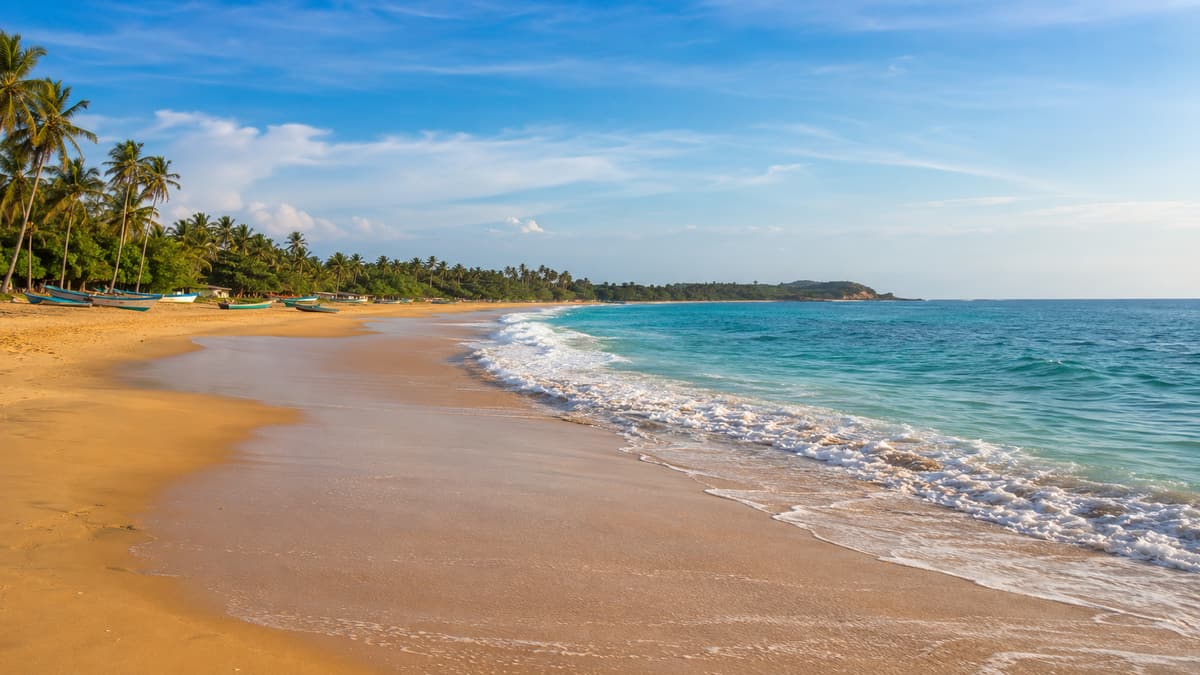
Arugam Bay Safety
Crocodiles and Lagoon Safety Near Arugam Bay: What You Need to Know
Pottuvil Lagoon and the waterways around Arugam Bay have resident crocodiles. Here's where the real risk is, how to stay safe, and what to do after a bite.
7 min read