
Common Illnesses
Dehydration in the Tropics: Oral Rehydration Salts and When You Need an IV Drip
Jul 28, 2026 · 7 min read
Dehydration is the quiet thread running through most of what we treat in Arugam Bay. It rarely arrives on its own. It shows up alongside a stomach bug, a long day in the heat, a fever, or three back-to-back surf sessions with nothing but a coconut in between. Left alone, mild dehydration is what turns a manageable illness into one that needs a drip and a few hours lying down.
The good news is that it is easy to prevent and, caught early, easy to fix yourself.
Why you dehydrate faster here
Everything about a surf trip in Sri Lanka pulls water out of you:
- Heat and humidity mean you sweat constantly, even sitting still.
- Surfing is a long, hard workout in the sun that you do not always notice as exertion.
- Alcohol in the evenings adds to the deficit.
- Stomach bugs — the traveler’s diarrhoea most people get at some point — drain fluid and salts fast through vomiting and diarrhoea.
- Fever, whether from dengue or a simple viral illness, burns through fluid.
Stack two or three of these on the same day and you can go from fine to unwell surprisingly quickly.
Recognising dehydration
Learn to spot it early, before it becomes the reason you feel awful:
- Thirst and a dry mouth
- Dark yellow urine, and passing much less of it than usual
- Headache and tiredness
- Dizziness, especially standing up
- Muscle cramps
- In more serious dehydration: rapid heartbeat, confusion, sunken eyes, and very little or no urine
A simple daily check: your urine should be pale straw-coloured. If it is dark and there is not much of it, you are behind on fluids.
Water alone is not the answer
This is the part travelers get wrong. When you are dehydrated from sweating heavily or from a stomach bug, you have lost salts (electrolytes) as well as water. Drinking large amounts of plain water alone can actually dilute your remaining salts and leave you feeling no better. You need to replace both.
The gold standard is oral rehydration salts (ORS) — cheap sachets of the right balance of salt and glucose that you dissolve in clean water. Every pharmacy in Sri Lanka has them, including ours. They are far more effective than water, soft drinks, or sports drinks for real dehydration, and they are the single most useful thing you can carry.
Practical rehydration at home:
- Mix ORS exactly as the sachet says — the ratio matters. One sachet in the stated volume of clean or bottled water.
- Sip steadily, a mouthful every few minutes, rather than gulping a litre at once, especially if your stomach is upset.
- Coconut water is a good natural helper and easy to find here, but it is not a full ORS replacement when you are losing a lot of fluid.
- Keep going even if you are vomiting — small, frequent sips are often kept down when a big drink is not.
When oral rehydration is not enough — the IV drip
Sometimes you cannot drink your way out of it. Come and see us for an IV drip when:
- You are vomiting so much that you cannot keep fluids down at all.
- You have severe or non-stop diarrhoea and are falling behind however much you sip.
- You are dizzy, faint, or your heart is racing from fluid loss.
- You have a high fever and cannot drink enough to keep up.
- You simply feel wiped out and depleted and want to recover quickly.
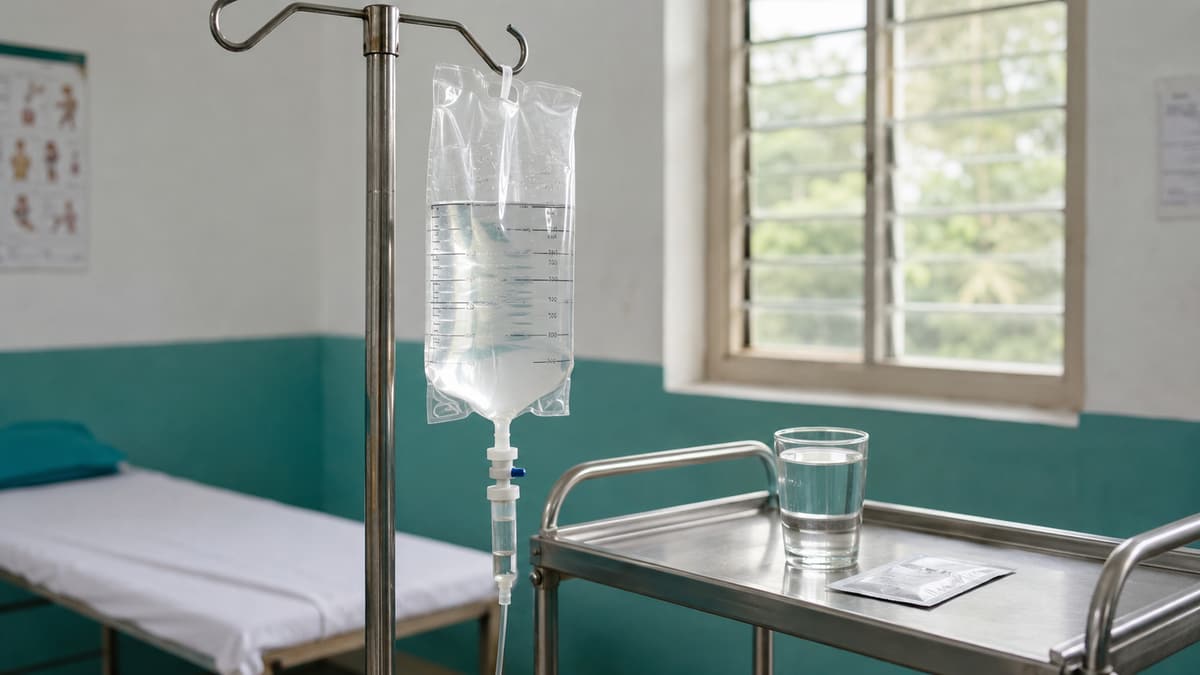
An IV drip puts fluid and salts directly into your bloodstream, bypassing a stomach that will not cooperate. Most people feel dramatically better within the hour. We can add anti-nausea or anti-fever medication to the drip if you need it, monitor you while it runs, and have you back on your feet the same day. It is one of the most common and satisfying things we do here — someone arrives grey and shaky and leaves looking human again.
A quick word of caution: IV drips are a genuine medical treatment for genuine dehydration and illness, not a hangover accessory or a routine “wellness” top-up. If you are unwell and depleted, come in. If you are simply tired, rest, ORS, and shade will usually do the job.
Preventing it in the first place
- Carry ORS sachets and start them at the first sign of a stomach bug or a heavy-sweat day.
- Drink before you are thirsty, not after — a full bottle before you paddle out.
- Match alcohol with water in the evenings.
- In extreme heat, add salt to your food and take breaks in the shade. See our guide to sun protection and heat stroke for the heat side of this.
This article is general health information and not a substitute for medical advice. If you are severely dehydrated, cannot keep fluids down, or feel faint, come in any time, day or night, or call 1990 for emergency transport.
Related articles
Common Illnesses
Ear Wax Removal in Arugam Bay: Blocked Ears After Surfing
Blocked, muffled ear after surfing or swimming in Arugam Bay? We safely remove ear wax and check for infection the same day. Here's what's going on and what not to do.
5 min read
Common Illnesses
Fever in the Tropics: When It's Serious and When It Isn't
A fever in Sri Lanka could be a cold, dengue, a urinary infection, or something less common. Here's how to tell when to ride it out at home and when to see a doctor.
6 min read
Common Illnesses
Food Poisoning and Traveler's Diarrhea in Sri Lanka
Traveler's diarrhea hits most visitors at some point. Here's how to treat it, when to worry, and how to avoid it without missing out on the food.
7 min read