
Surfing Injuries
Sea Snakes in Arugam Bay's Waters: What Surfers and Swimmers Need to Know
Oct 12, 2026 · 6 min read
If you’ve spent any time in the water at Arugam Bay, you may already have paddled past a sea snake without realising it, or seen one drift by on a calm day near the point. They’re a normal part of this coastline, not a rare sighting, and the honest answer for most travelers is: you can share the water with them safely. Bites on surfers and swimmers here are genuinely rare. But sea snakes carry venom more potent than most land snakes, so it’s worth knowing the real facts rather than either panicking or dismissing them completely.
What you might see
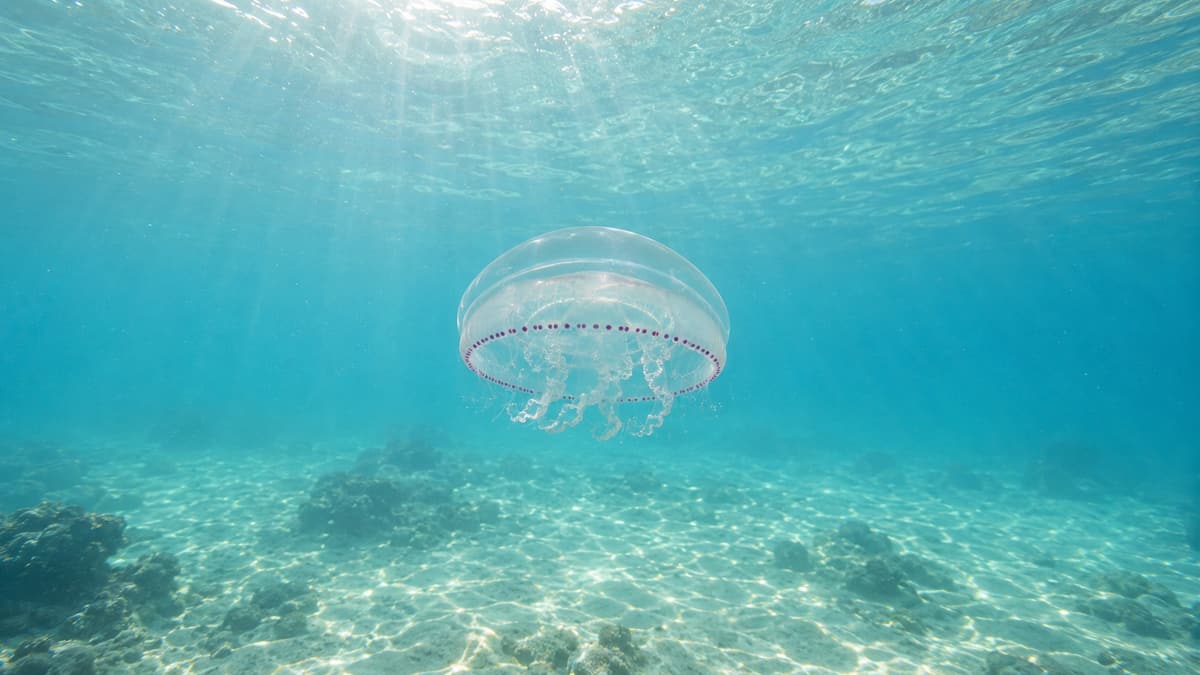
Sri Lanka’s coastal waters host several sea snake species, most commonly the yellow-lipped sea krait and various Hydrophis species — generally slender, paddle-tailed, and patterned in bands of olive, yellow, black, or grey. They’re easiest to spot near the surface on calm days, sometimes resting in a loose coil, sometimes swimming with that distinctive side-to-side paddling motion land snakes can’t manage. Around Arugam Bay they turn up near reef breaks, in the channel, and occasionally washed up on the sand after rough weather.
A sea snake on the beach is not necessarily dead or safe to handle. Snakes that wash ashore are often cold, disoriented, or simply resting, and they can still bite if picked up or stepped on. Give any sea snake you find on sand the same distance you’d give one in the water.
Why bites are rare
Sea snakes are not aggressive. They’re also physically limited in a way that matters: their mouths and fangs are small, built for gripping slippery fish rather than biting a hand or foot, and most have a mild temperament even when handled by researchers. The overwhelming majority of sea snake encounters, including accidental contact with a swimmer’s leg or a surfboard, end with the snake swimming away rather than striking.
Most recorded bites happen to fishermen handling nets or catch, not to swimmers or surfers in open water. That said, “rare” is not “impossible,” and a sea snake that feels trapped — against a wetsuit, in shallow water with no escape route, or grabbed directly — can and will bite.
If you see one in the water
- Stay calm and keep your distance. Sea snakes are curious at times and may approach out of interest, not aggression. Let it move past; don’t chase it off or try to touch it.
- Don’t try to catch, pin, or move it, even to help a snake that looks stuck or struggling. Let it find its own way.
- If one approaches closely while you’re surfing, simply paddle away calmly rather than thrashing or striking at it. Sudden splashing is more likely to provoke a defensive bite than a slow retreat.
- Keep an eye on young children and dogs around any sea snake on the sand — curiosity about something washed up is the most common way people get close enough to be bitten.
If a bite happens
Sea snake venom is neurotoxic and can affect muscles and breathing, and — unlike many land snake bites — early symptoms can be deceptively mild or even absent for the first hour or more. Treat every sea snake bite as a medical emergency, even if it barely hurt and there’s no swelling.
- Get out of the water and keep the bitten limb still, ideally below heart level. Movement speeds venom spread through the lymphatic system.
- Apply a firm pressure bandage over the bite site and up the limb, similar to how you’d wrap a sprain — firm but not tight enough to cut off circulation — and splint the limb if you can.
- Do not cut the wound, try to suck out venom, apply ice, or use a tight tourniquet. None of these help, and some cause additional damage.
- Come to us immediately, or get to the nearest hospital. Call 1990 for a free ambulance if you need transport. Note the time of the bite.
- Watch for and report any of these as you travel in: drooping eyelids, blurred or double vision, difficulty swallowing, slurred speech, muscle weakness or aching, or trouble breathing. These are signs of neurotoxic envenomation and need urgent treatment.
Many sea snake bites, like land snake bites, are “dry” — no venom injected — or involve only a small amount. We still assess and observe every case carefully, because the ones that do envenomate can progress quickly after a deceptively calm first hour. Antivenom for sea snake bites is held at larger regional hospitals rather than small clinics; if observation shows signs of real envenomation, we stabilise you and arrange urgent transfer, and we handle insurance paperwork and give an itemised English-language receipt so any claim is straightforward once you’re home.
Practical precautions
- Wear reef boots or booties if you’re wading or walking in shallow water near rocks and reef, which reduces the chance of an accidental step on anything in the sand.
- Don’t reach into holes, crevices, or weed banks while snorkelling or diving.
- Give any snake on the beach a wide berth and keep children and pets away from it rather than approaching to look closer.
- If you’re night fishing or handling nets, check the catch and the net itself before putting your hands in — this is where most real-world bites happen.
The bigger picture
For the volume of surfers and swimmers who share these waters with sea snakes every single day, actual bites are a rare event, and most visitors will go their whole trip without a single close encounter worth mentioning. The sensible approach is the same as with most marine wildlife here: look, don’t touch, give it room, and get to us fast if you’re ever unlucky enough to be bitten.
Related reading
- Snake Bites in Sri Lanka: First Aid That Actually Works
- Jellyfish Stings on Sri Lanka’s East Coast: First Aid That Actually Works
- Stingray and Stonefish Stings in Arugam Bay: The Hot-Water First Aid That Actually Works
This article is general health information and not a substitute for medical advice. If you or someone with you is bitten by a sea snake, come to us or the nearest hospital immediately, or call 1990 for emergency transport.
Related articles
Surfing Injuries
Ankle and Knee Sprains: Surf and Reef-Walk Injuries in Arugam Bay
A rolled ankle on the reef walk or a twisted knee popping up too fast are two of the most common surf injuries we see. Here's how to tell a sprain from a break.
8 min read
Surfing Injuries
Broken Nose and Facial Injuries After a Wipeout in Arugam Bay
A board, fin, or reef to the face is one of the most common surfing injuries we see. Here's how to tell a broken nose from bruising, and when facial swelling means come in now.
7 min read
Surfing Injuries
Bruised or Fractured Ribs After a Wipeout: What Surfers Need to Know in Arugam Bay
A heavy wipeout onto your board or the reef can bruise or crack a rib. Here's how to tell the difference, why breathing matters more than X-rays, and when to come in.
7 min read