
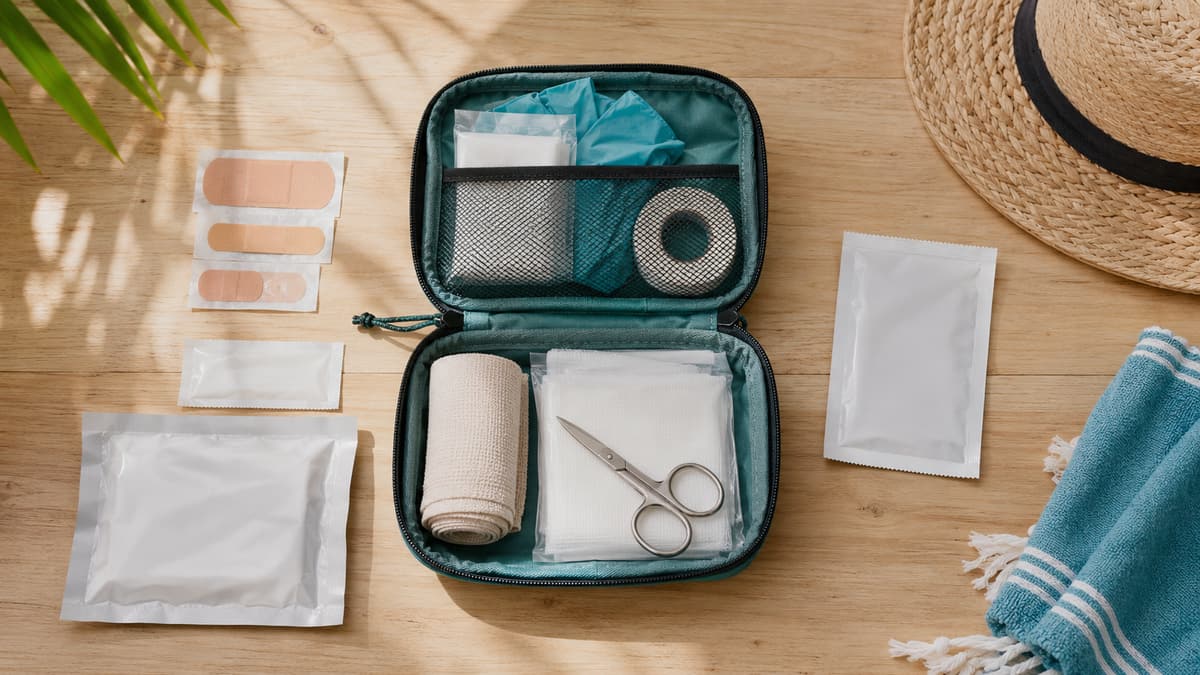
Surfing Injuries
Ankle and Knee Sprains: Surf and Reef-Walk Injuries in Arugam Bay
Aug 28, 2026 · 8 min read
Two things send a lot of surfers hobbling into the clinic in Arugam Bay: the walk out over the reef at Main Point with a board under one arm and eyes on the swell instead of your feet, and the twisting pop-up or hard landing that catches an ankle or knee wrong. Neither looks dramatic at the time. Both can turn a two-week surf trip into a lot of time on a guesthouse veranda if they’re not treated properly in the first few days.
What actually happens in a sprain
A sprain is a stretched or torn ligament — the tough tissue that holds a joint together — rather than a break in the bone itself. Ankles and knees are the two joints surfers injure this way most often, for slightly different reasons.
Ankles usually go on the reef walk out, or coming down off a step or rock at the point, rather than in the water itself. The foot rolls inward or outward on uneven coral or rock, the ligaments on one side of the ankle stretch further than they’re built for, and you feel a sharp pain and often a pop.
Knees more often go in the water: a hard landing off a lip, a board catching an edge, or a fin digging in while you’re twisting to turn. The knee takes a rotational force it wasn’t braced for.
Both injuries range from mild (a stretch, some swelling, walkable within a day or two) to severe (a full ligament tear that needs bracing, physiotherapy, or in rare cases surgery once you’re home). The tricky part is that in the first hour, mild and severe can look almost identical.
First aid: RICE, done properly
For the first 48 to 72 hours, the standard advice still holds and it works:
- Rest. Stop surfing, stop walking on it more than you have to. Weight on a sprained ligament in the first day slows healing and makes the injury worse.
- Ice. A cold pack, or ice wrapped in a cloth (never directly on skin), for fifteen to twenty minutes at a time, several times a day. In Arugam Bay heat this also just feels good.
- Compression. An elastic support bandage wrapped snugly, not tight enough to feel numb or tingly, from below the joint upward. This controls swelling and gives the joint some support.
- Elevation. Prop the leg up above heart level when you’re sitting or lying down, which helps drain the swelling rather than letting it pool at the joint.
Avoid heat, alcohol, and vigorous massage for the first two days — all three tend to increase swelling and bleeding inside the joint, which is exactly what you’re trying to control.
Sprain or fracture — how to tell
You can’t always tell the difference just by looking, which is why we’d rather examine it than have you guess. That said, some signs point more strongly toward a break and mean you should come in rather than self-treat:
- You cannot put any weight on it at all, even a step or two
- The joint looks visibly deformed, or bent at an angle it shouldn’t be
- The pain is focused sharply over one point of bone rather than spread around the joint
- Swelling and bruising come on very fast and are severe
- You heard or felt a distinct crack, not just a pop
- Numbness, tingling, or the foot below the injury feels unusually cold or pale
None of these confirm a fracture on their own, but any of them is a reason to have it looked at and, if needed, X-rayed rather than wrapping it and hoping.
When to come in even if it “seems fine”
A lot of travelers wrap an ankle themselves and keep going, which is fine for a genuinely mild sprain. Come and see us if:
- The swelling or pain hasn’t noticeably improved after two to three days of rest and ice
- The joint keeps giving way or feels unstable when you put weight on it
- You’re not confident telling a mild sprain from something worse
- You have days of trip left and want to know whether you can get back in the water, and when
We can assess the joint, tell you whether it needs imaging (we can arrange X-rays), fit a proper ankle or knee support, and give you a realistic timeline instead of a guess. For travel insurance claims, we provide itemised receipts in English that most insurers accept without issue.
Recovery and getting back in the water
A mild sprain is usually comfortable to walk on within a few days and back to light surfing within one to two weeks. A moderate sprain can take three to six weeks before the joint is properly stable again, and going back too early is the single biggest cause of the same ankle or knee getting re-injured, often worse, later in the same trip.
The test isn’t “does it hurt less” — it’s whether the joint feels stable under load. Balancing on the injured leg with your eyes closed for ten seconds, without wobbling, is a reasonable rough check before returning to anything that demands sudden direction changes, like surfing or a reef walk.
Prevention
A supportive pair of reef booties or aqua shoes for the walk out over rock and coral prevents a large share of the ankle injuries we see — most people only buy them after the first bad roll. In the water, taping a previously sprained ankle before paddling out gives it extra support while the ligament is still rebuilding strength. For knees, working on leg strength and balance between sessions (even just squats and single-leg balance work on the sand) reduces how often a hard landing turns into an injury rather than just a scare.
Related reading
- Surfer’s Shoulder and Back Pain: Overuse Injuries From Weeks in the Water
- Head Injuries and Concussion After a Surfing Wipeout in Arugam Bay
- Travel First Aid Kit for Arugam Bay: What to Actually Pack
This article is general health information and not a substitute for medical advice. If you’ve rolled an ankle or twisted a knee and aren’t sure how bad it is, walk in any time, day or night, or call 1990 for a free ambulance.
Related articles
Surfing Injuries
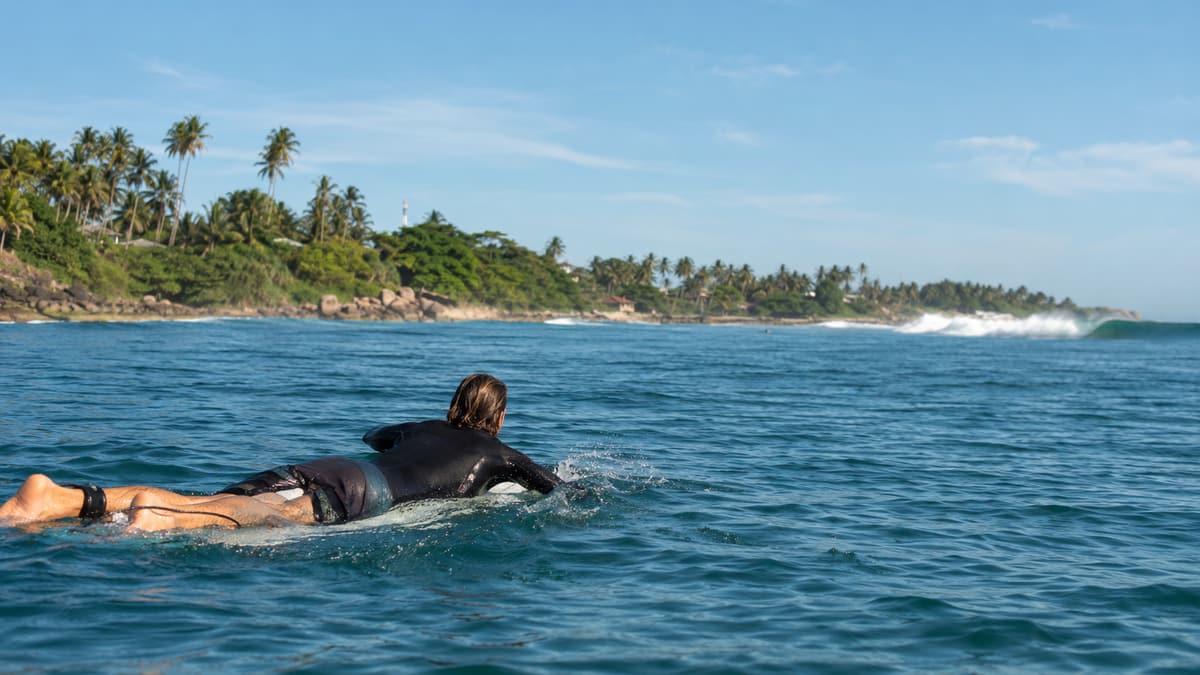
Head Injuries and Concussion After a Surfing Wipeout in Arugam Bay
A hard wipeout at Main Point or Peanut Farm can mean more than a knock — here's how to recognise concussion, what to do in the first hours, and when to come in.
7 min read
Surfing Injuries
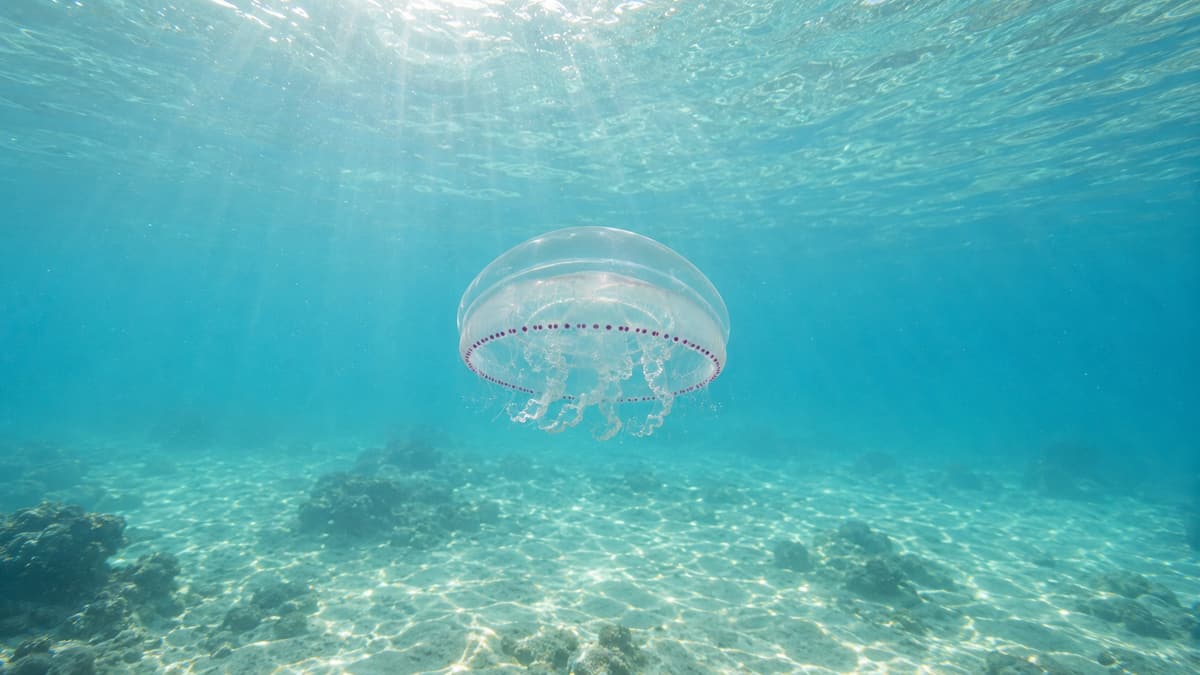
Jellyfish Stings on Sri Lanka's East Coast: First Aid That Actually Works
Most of what you've heard about treating jellyfish stings is wrong. Here's what to do in Arugam Bay, with treatment based on the species you're likely to encounter.
5 min read
Surfing Injuries
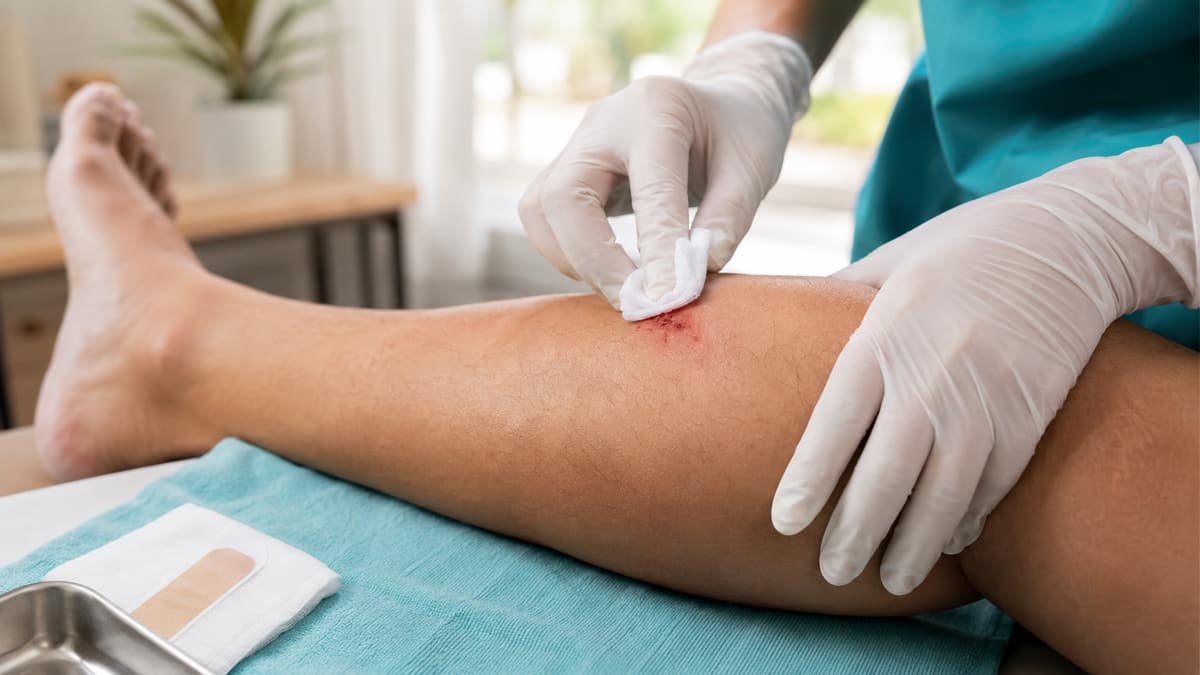
Reef Cuts: How to Treat Them and Why Infection Is the Real Danger
Coral and reef cuts get infected fast in tropical water. Here's how to clean a reef cut properly and recognise when you need stitches or antibiotics.
6 min read