
Surfing Injuries
Surfer's Shoulder and Lower Back Pain: The Overuse Injuries We See in Arugam Bay
Aug 12, 2026 · 7 min read
If you’ve been surfing every day for a week or two in Arugam Bay, and you’re now waking up with a dull ache across one shoulder or a stiff, tight lower back that takes an hour to loosen up, you’re not injured in the dramatic sense — you’re overused. It’s one of the most common things we see walk in from the point break and Baby Point: not fractures or reef cuts, but ordinary overuse pain from a body doing thousands of repetitive movements a day that it isn’t used to doing at home.
Why surfing does this to your shoulders and back
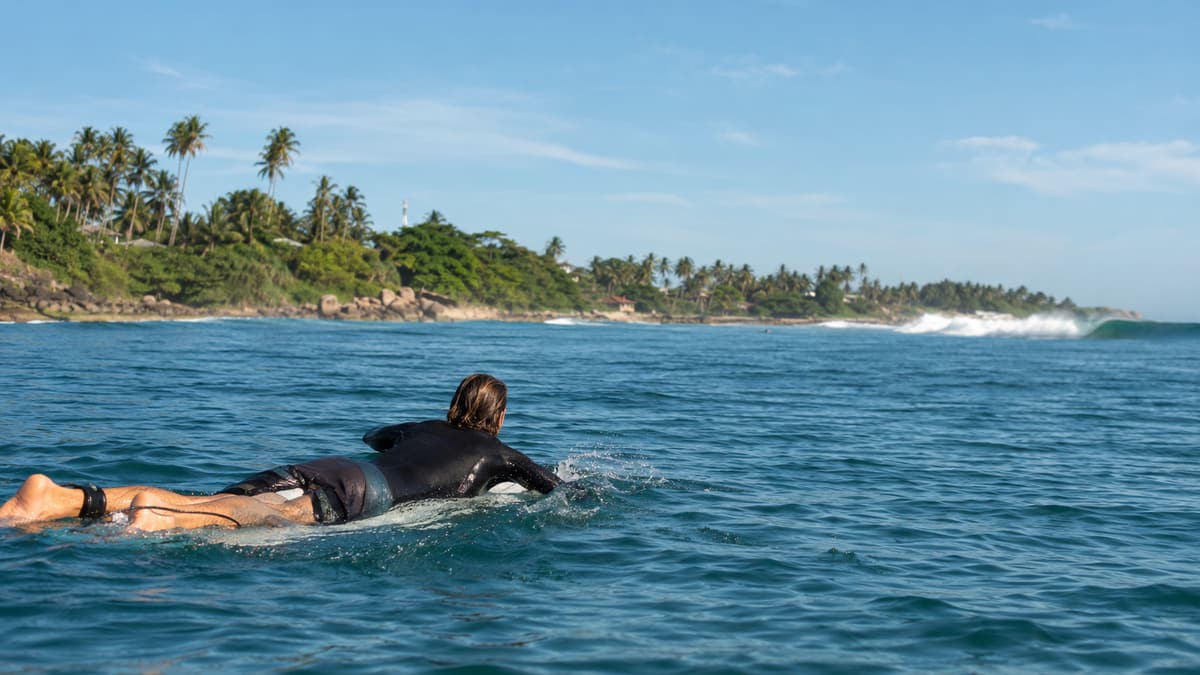
Paddling is the main culprit. It’s a repetitive overhead-ish movement using small stabilising muscles in the shoulder (the rotator cuff) that aren’t built for hours of continuous work. A long session or a multi-day surf trip can easily mean a few thousand paddle strokes. Add an arched-back paddling position — chest up, lower back extended to keep your head above the water — and you’re loading the same handful of lower back muscles and joints the same way, over and over, for days in a row.
The pop-up adds a second stress: a fast, forceful extension through the lower back and a twisting load through the shoulders as you push up off the board. Do that dozens of times a session, every day, and small overuse injuries build faster than your body can repair them overnight.
Two things make this worse in Arugam Bay specifically. First, many travelers arrive and jump straight into two or three sessions a day after months of not surfing at all — the classic “surf trip overload” pattern. Second, long paddle-outs at points like the main break mean more total paddling time per session than you’d get at a beach break back home.
What it usually feels like
Typical overuse pain has a pattern:
- A dull, aching pain in the front or top of the shoulder, or across the lower back, that builds during a session or appears the next morning
- Pain that eases with rest and a day or two off the water
- Stiffness that’s worse first thing in the morning or after sitting for a while
- Discomfort that’s worse on one side — usually your paddling-dominant side, or the side you push off hardest during a pop-up
This is different from an acute injury, where something happens suddenly — a sharp pain during a specific wipeout or awkward landing, sudden weakness, or pain severe enough that you can’t keep surfing. Acute injuries need assessment sooner rather than later.
What helps
For ordinary overuse pain, the same approach works for both shoulders and lower back:
- Take at least one or two full days off the water. This is the step most surfers on a trip skip, and it’s the one that actually matters. Overuse pain doesn’t resolve while you keep loading the same tissue.
- Ice for fifteen to twenty minutes, a few times a day, in the first day or two if there’s noticeable inflammation or swelling.
- Gentle movement, not full rest. Light stretching and walking keep things from stiffening up further. Avoid anything that reproduces the pain.
- Paracetamol or a short course of an anti-inflammatory (like ibuprofen, if you have no stomach or kidney issues and aren’t also dealing with dengue or another illness where NSAIDs are best avoided) can help you get comfortable enough to stretch and move.
- Fix the paddling position if you can. Keeping your chest slightly lower and using your upper back and lats more than your lower back reduces the strain. A slightly smaller, more buoyant board can also mean less time spent flat-out paddling.
- Warm up before paddling out. A few minutes of shoulder circles, cat-cow stretches for the back, and some light arm swings make a real difference over a multi-day trip.
When to come in and see us
Most surf overuse pain settles with a couple of days of rest. Come in if:
- The pain is sharp, sudden, or started with a specific incident rather than building up gradually
- You have weakness — you can’t lift your arm to the same height as the other side, or your back gives way
- There’s numbness, tingling, or pain radiating down an arm or leg
- The pain hasn’t improved after three or four days of rest
- Pain is disturbing your sleep
- You notice swelling, bruising, or the joint looks different from the other side
We’ll examine the shoulder or back, check your range of movement and strength, and rule out anything more serious like a rotator cuff tear, a disc problem, or a fracture. Most cases just need rest, anti-inflammatories, and a graded return to paddling. If we think you need imaging, physiotherapy, or an orthopaedic opinion, we can arrange referrals and coordinate the next step, including itemised English receipts for your travel insurance.
Related reading
- Surfer’s Ear: Why Your Ears Hurt After Months of Surfing
- Reef Cuts: How to Treat Them and Why Infection Is the Real Danger
This article is general health information and not a substitute for medical advice. If shoulder or back pain is severe, sudden, or accompanied by numbness or weakness, walk in any time, day or night, or call 1990 for emergency transport.
Related articles
Surfing Injuries
Ankle and Knee Sprains: Surf and Reef-Walk Injuries in Arugam Bay
A rolled ankle on the reef walk or a twisted knee popping up too fast are two of the most common surf injuries we see. Here's how to tell a sprain from a break.
8 min read
Surfing Injuries
Head Injuries and Concussion After a Surfing Wipeout in Arugam Bay
A hard wipeout at Main Point or Peanut Farm can mean more than a knock — here's how to recognise concussion, what to do in the first hours, and when to come in.
7 min read
Surfing Injuries
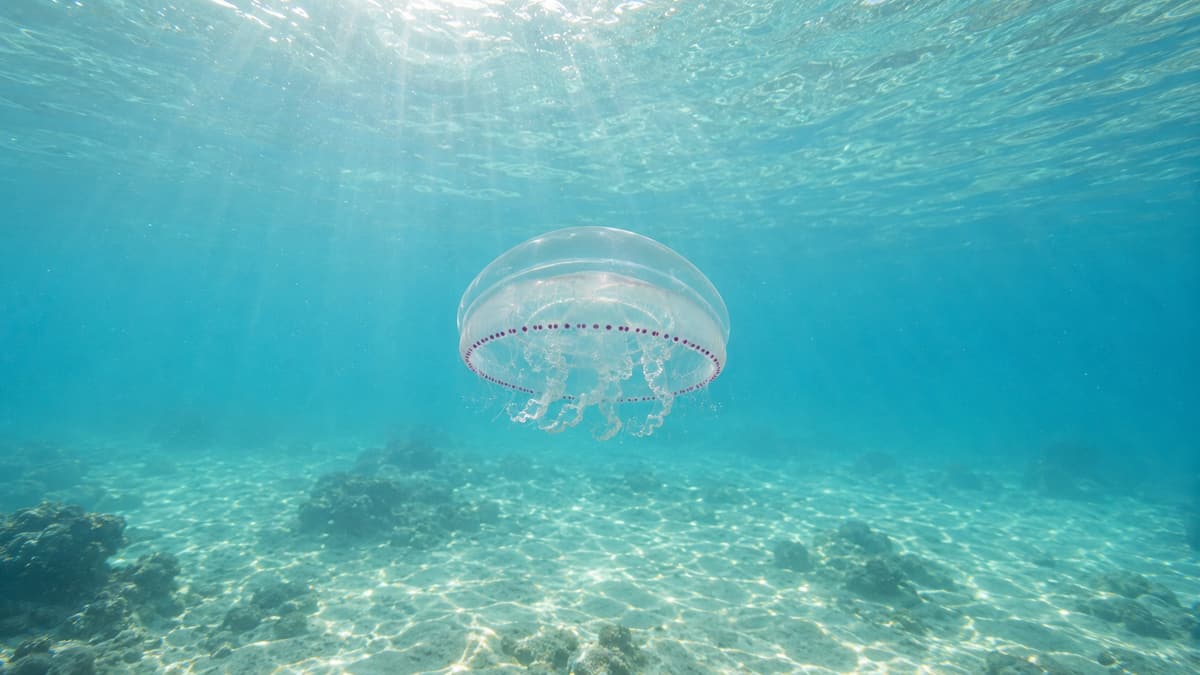
Jellyfish Stings on Sri Lanka's East Coast: First Aid That Actually Works
Most of what you've heard about treating jellyfish stings is wrong. Here's what to do in Arugam Bay, with treatment based on the species you're likely to encounter.
5 min read