

Surfing Injuries
Head Injuries and Concussion After a Surfing Wipeout in Arugam Bay
Aug 15, 2026 · 7 min read
Most wipeouts in Arugam Bay end the same way: a mouthful of saltwater, a quick check that your board is still attached to your ankle, and a paddle back out. Every so often, though, someone comes up from a wipeout having caught the board, the reef, or the sandbar with their head, and the question of what to do next actually matters. We see a handful of these every season, mostly from Main Point and Peanut Farm on bigger swells, and they’re one of the injuries travelers most often get wrong — either panicking over a minor knock or, more dangerously, shrugging off something that needed watching.
Why surf knocks to the head are different
A wave holds you down. Your own board, on a short leash, can come back and hit you on the way up. A shallow reef or sandbar doesn’t move out of the way. Any of these can cause a head injury, and the tricky part is that concussion — a brain injury caused by the head being struck or shaken — doesn’t always look dramatic. There’s often no cut, no bruise you can see, sometimes not even a headache straight away. The injury is inside, and the only clues are how the person is behaving.
This matters more in the water than almost anywhere else, because a concussed surfer who goes back out is a surfer whose reaction time, balance, and judgment are all quietly impaired in an environment that punishes exactly those things.
Signs of concussion to watch for
After any hit to the head — yours or someone you’re surfing with — watch for:
- Confusion, or seeming “not quite right,” even briefly
- Not remembering the wave, the wipeout, or how they got back to the beach
- Headache that’s getting worse, not easing off
- Dizziness, poor balance, or trouble standing steadily on sand
- Nausea or vomiting
- Blurred or double vision
- Slurred speech or slow, confused answers to simple questions
- Unusual drowsiness, or being hard to wake if they lie down
- Sensitivity to light or noise
- Any loss of consciousness, even for a few seconds
Some of these show up immediately. Others — especially headache, poor concentration, and drowsiness — can build over the following hours. That’s why the first day after a real knock is about watching, not just checking once and moving on.
What to do right after a head knock in the water
- Get out of the water and get help. Signal to other surfers or people on the beach. Don’t try to catch a few more waves “to see if you’re okay” — that’s exactly the wrong test.
- Don’t let them go back in the water that session. This applies even if they insist they feel fine. Judgment is one of the first things concussion affects, so the person’s own assessment of themselves is not reliable right after the hit.
- Sit them down somewhere shaded and calm. Heat and sun on top of a head injury make everything feel worse and make it harder to tell what’s the concussion and what’s just overheating.
- Check for a scalp cut or bleeding. Scalp wounds bleed heavily even when minor, but they can also hide a more serious injury underneath. Apply gentle pressure with a clean cloth and get it looked at.
- Don’t leave them alone for the first few hours. Someone should be checking in on them regularly, watching for the warning signs above.
- Come and see us, or go to a hospital, if anything on the list above is present — and if you’re at all unsure, come in anyway. It costs nothing to have us take a look.
Warning signs that mean go straight to hospital
Call 1990 for a free ambulance, or come to us immediately and we’ll arrange transfer, if you see:
- Loss of consciousness, even briefly
- Repeated vomiting
- A seizure or convulsion
- One pupil looking larger than the other
- Worsening headache rather than improving
- Increasing confusion, agitation, or difficulty waking the person
- Weakness, numbness, or trouble speaking
- Watery or bloody fluid coming from the nose or ears
These are signs of a more serious brain injury, such as bleeding inside the skull, and they need hospital-level imaging and monitoring that we can’t do at a clinic. Arugam Bay to the nearest hospital with CT scanning is a real distance, which is exactly why we’d rather see you early and arrange transfer ourselves than have you wait it out at your guesthouse.
The 24 to 48 hours after
Even a “mild” concussion needs rest — genuine rest, not scrolling your phone in a dark room. Avoid alcohol, which masks symptoms and slows recovery. Avoid anything that could cause a second knock to the head, including surfing, diving, tuk-tuk rides on rough roads, and contact sports, until you’ve been cleared. A second head injury before the first has healed is far more dangerous than either one alone, which is the main reason we’re cautious about clearing surfers back into the water quickly.
Most people with a straightforward concussion feel meaningfully better within a week to ten days, though concentration and mild headaches can linger a bit longer. If symptoms aren’t easing off after a week, or they suddenly get worse, come back in.
Reducing the risk
A leash keeps your board close, which is good for not losing it and bad for getting hit by it — take a second on bigger days to control the board on the way up rather than getting into the whitewash straight after a fall. Surf helmets exist for a reason on shallow reef breaks, and a growing number of experienced surfers wear them at reef setups like Arugam Bay’s without it being anything to be self-conscious about. On unfamiliar breaks or bigger swell than you’re used to, cover your head with your arms on the way to the surface — it’s a habit worth building before you need it.
Related reading
- Surfer’s Shoulder and Back Pain: Overuse Injuries From Weeks in the Water
- Rip Currents in Arugam Bay: How to Spot Them and What to Do If You’re Caught
This article is general health information and not a substitute for medical advice. If you or a surf buddy has taken a hit to the head, walk in any time, day or night, or call 1990 for a free ambulance.
Related articles
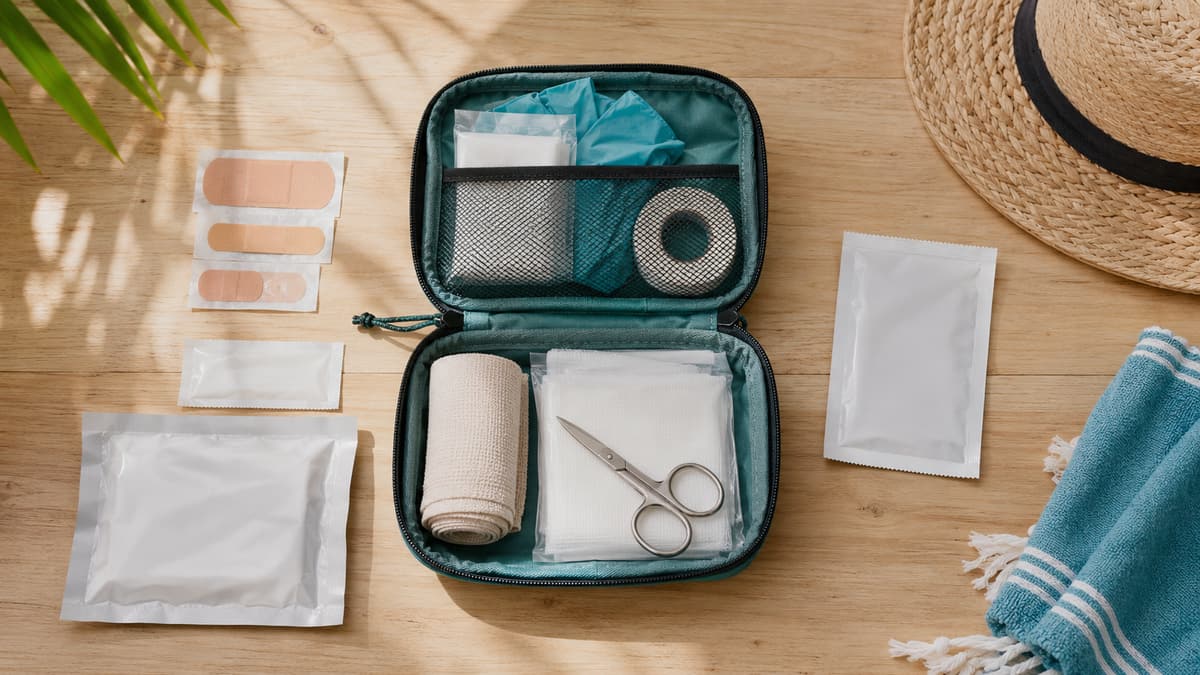
Surfing Injuries
Ankle and Knee Sprains: Surf and Reef-Walk Injuries in Arugam Bay
A rolled ankle on the reef walk or a twisted knee popping up too fast are two of the most common surf injuries we see. Here's how to tell a sprain from a break.
8 min read
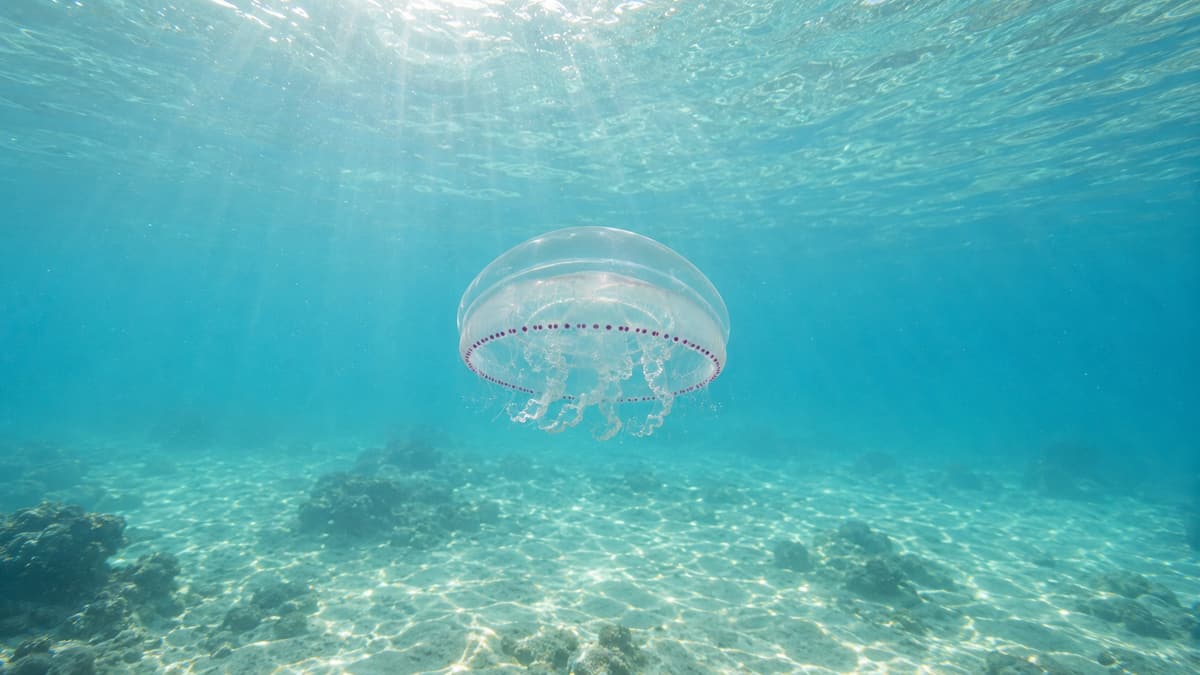
Surfing Injuries
Jellyfish Stings on Sri Lanka's East Coast: First Aid That Actually Works
Most of what you've heard about treating jellyfish stings is wrong. Here's what to do in Arugam Bay, with treatment based on the species you're likely to encounter.
5 min read
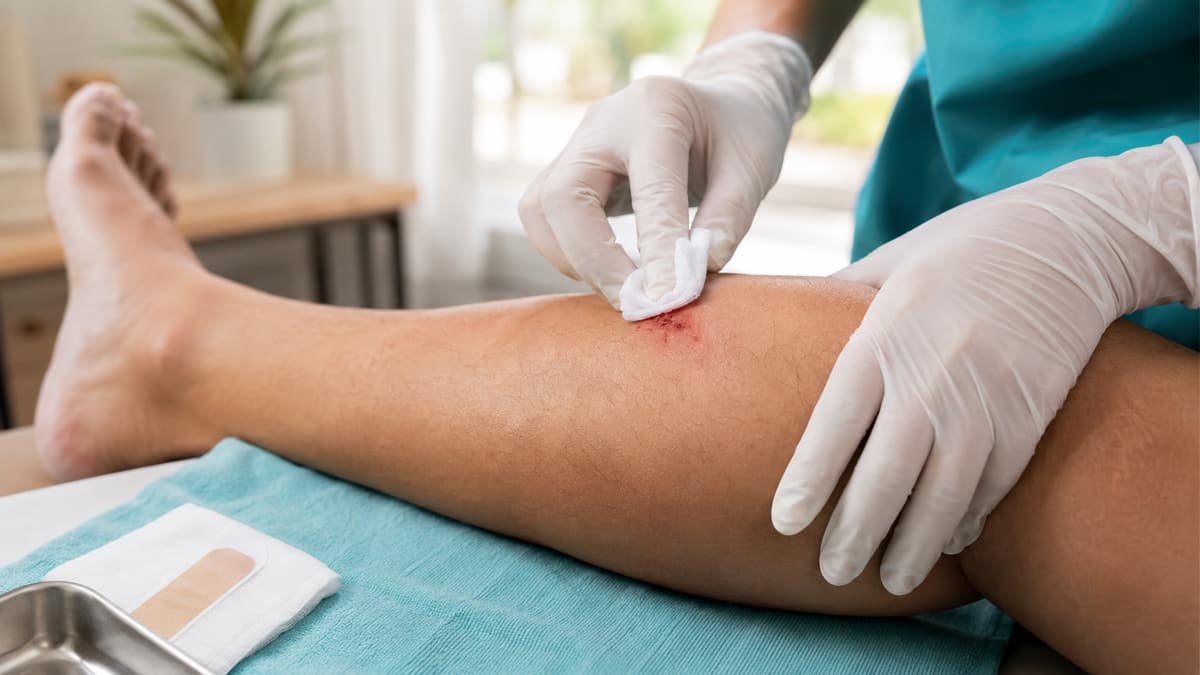
Surfing Injuries
Reef Cuts: How to Treat Them and Why Infection Is the Real Danger
Coral and reef cuts get infected fast in tropical water. Here's how to clean a reef cut properly and recognise when you need stitches or antibiotics.
6 min read