
Common Illnesses
UTIs While Traveling in Sri Lanka: Prevention and Treatment
Jul 29, 2026 · 6 min read
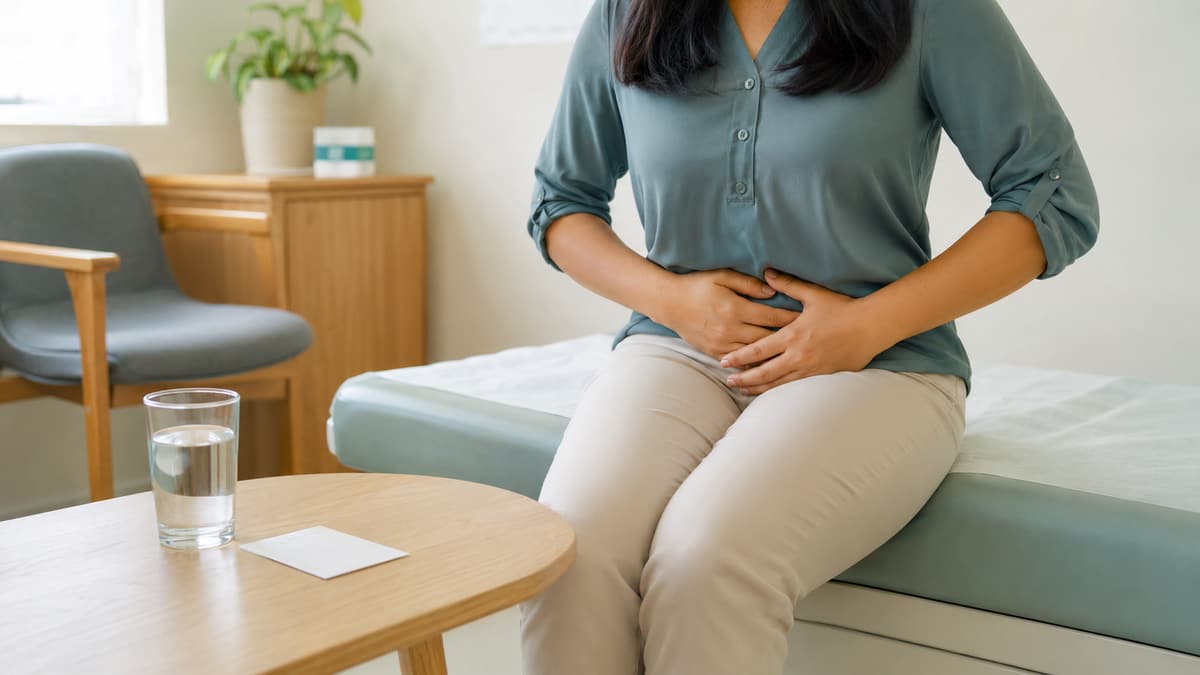
A urinary tract infection (UTI) is one of the most common reasons we see travelers walk through our door who otherwise feel completely healthy. No fever, no stomach bug, no mosquito bite — just a sudden, uncomfortable burning that shows up a few days into a trip. It’s treatable quickly and easily here, but travel itself creates the exact conditions that cause it, so it’s worth knowing what’s going on and how to avoid it.
Why travel makes UTIs more likely
A UTI happens when bacteria — usually from your own gut flora — travel up the urethra into the bladder. Several things about a surf trip or backpacking itinerary make that more likely than it would be at home:
- Dehydration. Heat, long travel days, and alcohol in the evenings all mean less fluid moving through, which means bacteria sit in the bladder longer instead of being flushed out regularly.
- Holding it in. Long tuk-tuk rides, surf sessions, bus journeys, and a general reluctance to use unfamiliar toilets all lead to holding urine for longer than usual.
- Wet swimwear. Sitting in a damp bikini or boardshorts for hours after a surf session creates a warm, moist environment that bacteria like.
- Sand and friction. Beach life brings more irritation and contamination risk to the area than most people are used to.
- New sexual activity, which is a well-known trigger for UTIs regardless of where you are in the world.
Women get UTIs far more often than men because of anatomy — a shorter urethra means bacteria have a shorter distance to travel — but we do see them in men too, especially after long dehydrated travel days.
Symptoms
The classic pattern is:
- A burning or stinging sensation when urinating
- Needing to urinate frequently, often passing only a small amount each time
- A feeling of urgency, even right after you’ve just gone
- Cloudy, dark, or strong-smelling urine
- Mild lower abdominal or pelvic discomfort
A straightforward bladder infection usually doesn’t cause fever. If you develop fever, chills, or pain in your back or side (below the ribs), the infection may have moved up into the kidneys — a kidney infection is more serious and needs prompt treatment. See “when to come in urgently” below.
What to do if you think you have one
Come and see us. A UTI is one of the fastest, most satisfying things we treat — we can usually confirm it with a quick urine dipstick test in the clinic and get you started on antibiotics the same visit, often within twenty minutes. Most people feel noticeably better within a day of starting treatment.
While you’re waiting to come in, or if you’re a long way from any clinic:
- Drink water steadily, more than usual. Diluting your urine can ease the burning slightly and helps flush bacteria out.
- Avoid holding it in. Urinate as soon as you feel the need, and empty your bladder fully each time.
- Plain paracetamol can help with discomfort while you arrange treatment.
- Avoid alcohol and caffeine until it’s settled — both irritate the bladder further.
We don’t recommend trying to source antibiotics from a pharmacy counter without being seen. UTIs need the right antibiotic at the right dose for the right number of days, and self-treating with whatever’s on the shelf is how infections come back or don’t fully clear.
Treatment
A standard bladder infection is treated with a short course of antibiotics — commonly three to five days, depending on the medication. Most people notice the burning improve within twenty-four hours, even though it’s important to finish the full course. We’ll also check whether you’re pregnant before prescribing, since some antibiotics aren’t suitable in pregnancy, and we’ll ask about any drug allergies.
If you have symptoms suggesting a kidney infection — fever, back or side pain, nausea, feeling generally unwell as well as the bladder symptoms — treatment usually needs a longer antibiotic course and closer follow-up, and occasionally IV antibiotics or fluids if you’re struggling to keep anything down.
Prevention on the road
- Drink more water than you think you need, especially on hot days and after a surf session. Aim for pale yellow urine as your daily check.
- Don’t sit around in wet swimwear. Change into dry clothes as soon as you’re done in the water.
- Go when you need to go. Don’t put off using the toilet for hours because it’s inconvenient — plan bathroom stops on long tuk-tuk or bus rides.
- Urinate after sex, which helps flush out bacteria before they establish an infection.
- Wipe front to back, particularly relevant with the looser hygiene standards of some travel bathrooms.
- Cranberry supplements or juice have modest evidence for prevention in people prone to recurrent UTIs — not a treatment once you have symptoms, but reasonable as a preventive habit if you already know you’re susceptible.
When to come in urgently
Most UTIs are a same-day-fix annoyance, not an emergency. But come in straight away, or call 1990 for an ambulance if you can’t get to us, if you have:
- Fever or shaking chills alongside urinary symptoms
- Pain in your back or side, below the ribs
- Persistent vomiting that stops you keeping fluids or medication down
- Blood in your urine that doesn’t clear
- Symptoms that don’t improve within two to three days of starting antibiotics
These can point to a kidney infection, which is still very treatable but needs closer attention than a simple bladder infection.
This article is general health information and not a substitute for medical advice. If you think you have a UTI, come in any time, day or night, or call 1990 for emergency transport.
Related articles
Common Illnesses
Dehydration in the Tropics: Oral Rehydration Salts and When You Need an IV Drip
Heat, surfing, and stomach bugs dehydrate travelers fast in Sri Lanka. Learn how to rehydrate properly, and when oral salts are not enough and you need a drip.
7 min read
Common Illnesses
Ear Wax Removal in Arugam Bay: Blocked Ears After Surfing
Blocked, muffled ear after surfing or swimming in Arugam Bay? We safely remove ear wax and check for infection the same day. Here's what's going on and what not to do.
5 min read
Common Illnesses
Fever in the Tropics: When It's Serious and When It Isn't
A fever in Sri Lanka could be a cold, dengue, a urinary infection, or something less common. Here's how to tell when to ride it out at home and when to see a doctor.
6 min read