
Traveler Health
Hangovers and Alcohol in Arugam Bay: When It's More Than a Rough Morning
Sep 22, 2026 · 6 min read
Arugam Bay has a lively bar strip, and most travelers who spend an evening there wake up with nothing worse than a headache and a dry mouth. But a hangover here is rarely just a hangover. You’ve usually spent the whole day before in the sun, sweated through a surf session, and then added arrack, beer, or cocktails on top of a body that was already running low on fluid. That combination is why hangovers hit harder in Arugam Bay than they would back home, and why every so often what looks like a hangover turns out to be something we need to treat properly.
Why it’s worse here than at home
Alcohol is a diuretic — it makes you urinate more than you drink, which dehydrates you on its own. Layer that on top of a hot, humid day where you were already sweating heavily from sun, surfing, and walking around without much shade, and you’re starting the night already behind on fluids. Add mosquito repellent DEET, sunscreen, maybe a dose of doxycycline or another malaria tablet, and a stomach that’s had more street food and spice than it’s used to, and the ingredients for a genuinely rough morning are all there before the first drink.
Local arrack and the cocktails made with it are also stronger than they taste, and measures at beach bars are rarely standardised. It’s easy to drink more than you intended without noticing until the next morning.
An ordinary hangover
A standard hangover — headache, nausea, fatigue, sensitivity to light, a dry mouth — is unpleasant but not dangerous, and it settles on its own within a day. What helps:
- Rehydrate properly, not just with water. Oral rehydration salts (ORS) or coconut water replace the sodium and potassium alcohol flushes out, and they work faster than water alone. Any pharmacy in town sells ORS sachets.
- Eat something plain — plain rice, toast, bananas, crackers. Don’t skip food even if you’re not hungry.
- Paracetamol for the headache, not ibuprofen or aspirin on an empty, irritated stomach. Stick to the standard adult dose and don’t exceed four grams in 24 hours.
- Get out of direct sun and heat. Your body is already dehydrated; a full day back on the beach in the midday sun makes it worse.
- Rest. Sleep is the single best hangover treatment there is.
Most people feel close to normal by the afternoon. If you don’t, or if it’s clearly worse than an ordinary hangover, that’s worth paying attention to.
When it’s more than a hangover
A few things get mistaken for “just a bad hangover” that aren’t:
- Alcohol poisoning. Confusion, vomiting that won’t stop, slow or irregular breathing, blue-tinged or very pale skin, a seizure, or someone who can’t be woken up are medical emergencies. This can happen from drinking too much too fast, especially on an empty stomach. Call 1990 for a free ambulance or get to us immediately — don’t wait for it to “sleep off.”
- Heat exhaustion or heatstroke, layered on top of a night of drinking. If someone is dizzy, has stopped sweating despite the heat, is confused, or their body temperature feels very high, this needs urgent treatment, not just water and a nap.
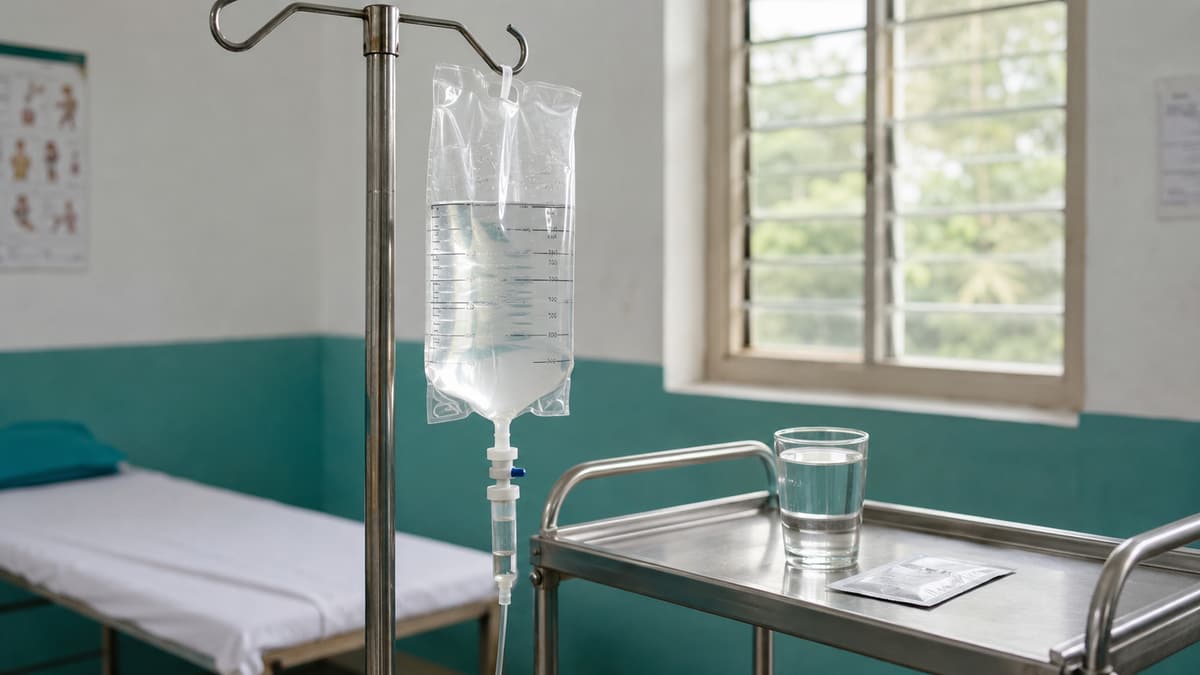
- Severe dehydration. If vomiting continues for more than a few hours, urine is dark or absent, or someone feels faint standing up, oral fluids often aren’t enough and an IV drip gets you back to normal far faster and more safely.
- A stomach bug mimicking a hangover. If the nausea and vomiting continue well past the point alcohol alone would explain, or if there’s fever, it may be food poisoning rather than a hangover, and it’s treated differently.
Alcohol and your other medications
If you’re taking doxycycline or another antimalarial, antibiotics for a wound or chest infection, or anything for motion sickness or an upset stomach, check with us or read the packet before drinking. Alcohol interacts with several common travelers’ medications, increases sun sensitivity from doxycycline further, and can make nausea from antimalarial tablets significantly worse. If you’re not sure whether it’s safe to mix your medication with a night out, ask us — it takes two minutes and it’s free.
Preventing the bad version
- Drink water alongside alcohol, roughly a glass for every drink.
- Eat a proper meal before you start drinking, not just snacks.
- Pace yourself in the first hour — that’s when most people misjudge how strong the local arrack measures are.
- Reapply sunscreen and stay hydrated through the day if you’re planning a night out later; don’t arrive at the bar already dehydrated from a full day in the sun.
- If you’re on antimalarial tablets or antibiotics, check the interaction before you drink.
When to come in
Walk in if a hangover doesn’t settle within a day, if vomiting won’t stop, if you can’t keep fluids down, or if anyone shows signs of alcohol poisoning or heat illness — confusion, very high or very low body temperature, fainting, or a change in breathing. We can rehydrate you quickly with an IV drip if needed, check that nothing else is going on, and get you back on your feet.
Related reading
- Dehydration in the Tropics: Oral Rehydration Salts and When You Need an IV Drip
- Headaches in the Heat: Dehydration Headaches, Migraines, and When to Worry in Arugam Bay
- Sun Protection and Heat Illness on Sri Lanka’s East Coast
This article is general health information and not a substitute for medical advice. If you or a friend feel seriously unwell after drinking, don’t wait it out — walk in any time or call 1990 for a free ambulance.
Related articles
Traveler Health
Allergic Reactions & Anaphylaxis in Sri Lanka: What to Do
New foods, new insects, new sun exposure — Sri Lanka has plenty of new allergy triggers. Here's how to spot a reaction early and what to do if it turns serious.
6 min read
Traveler Health
Altitude Sickness in Sri Lanka's Hill Country: Ella, Nuwara Eliya, and Adam's Peak Day Trips
Planning a day trip to Ella, Nuwara Eliya, or an overnight climb of Adam's Peak from Arugam Bay? Here's what altitude actually does at these heights.
7 min read
Traveler Health
Ant Bites in Arugam Bay: Fire Ants, Red Ants, and What Actually Helps
Small red ants and fire ants are everywhere in beach huts and on sandy paths here. Here's why the bites burn so much, how to treat them, and when a reaction needs a doctor.
6 min read