
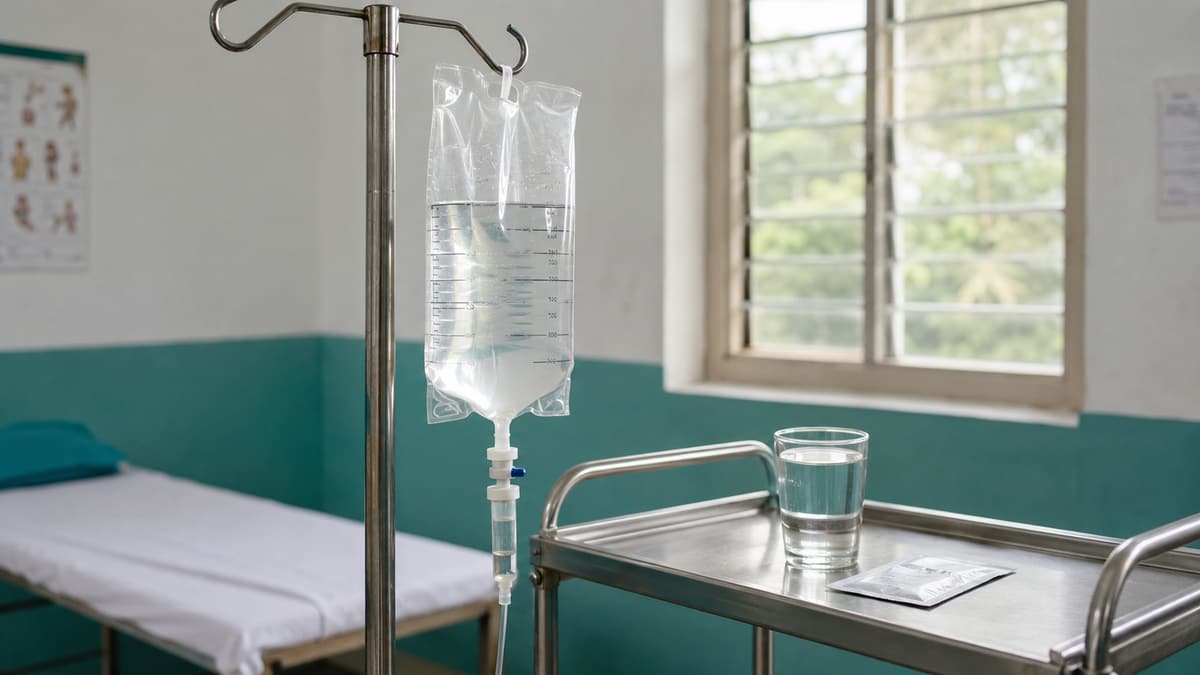
Traveler Health
Hemorrhoids While Traveling: Why Long Flights, Spicy Food, and Dehydration Make Them Worse
Nov 4, 2026 · 7 min read
Nobody plans to bring this up on holiday, but it’s one of the quieter reasons travelers walk through our door. A flare-up of hemorrhoids rarely announces itself before the trip — it tends to show up a day or two after you land, right around the time the long-haul flight, the spicy curry, and the forgotten water bottle all catch up with you at once. It’s uncomfortable, it’s common, and it’s almost always manageable without surgery or embarrassment. Here’s what’s actually going on and what helps.
What hemorrhoids actually are
Hemorrhoids are swollen veins in and around the lowest part of the rectum and anus — the same kind of vein swelling you’d see as varicose veins elsewhere in the body, just in a spot nobody likes to talk about. Everyone has this network of veins; hemorrhoids are what happens when they become engorged and irritated, usually from straining, pressure, or prolonged sitting. They can be internal (higher up, often painless but can bleed) or external (around the opening, where they’re more likely to itch, burn, or hurt, especially if a clot forms inside one).
They’re extremely common — most adults will deal with some version of this at some point — and they’re not dangerous on their own. They’re just miserable at the wrong moment, and travel has a way of creating exactly the wrong moment.
Why travel is a perfect setup for a flare-up
Long flights mean long sitting. Hours in a cramped economy seat put sustained pressure directly on the veins around the rectum, the same way it slows blood flow in your legs (the reason long flights are also linked to DVT — see our guide on that below). Add a connecting flight or an overnight bus to Arugam Bay on the other end, and you can easily rack up fourteen or sixteen hours of near-continuous sitting.
Dehydration thickens everything, including your stool. Cabin air is dry, you’re drinking less water than usual because the toilet queue is long, and the result is harder, more effortful bowel movements right when your veins are already under pressure from sitting. Straining is the single biggest trigger for a hemorrhoid flare.
Spicy, unfamiliar food changes your gut rhythm in both directions. Sri Lankan curries are often genuinely spicy, and a sudden jump in chili intake can either speed things up (loose stools, more frequent urgency and straining) or, after the gut adjusts, leave you constipated for a day or two as things settle. Either extreme aggravates existing hemorrhoids.
Jet lag and a new routine throw off your normal bathroom habits. Many people have a daily rhythm to their bowel movements that depends on routine, and ignoring the urge because you’re jet-lagged, out sightseeing, or just unfamiliar with the guesthouse bathroom is a quietly common cause of constipation and straining.
Alcohol and lighter eating on a trip can also contribute to dehydration and irregular stool, compounding all of the above.
What helps right now
Most flare-ups settle within a few days with simple measures:
- Drink more water than you think you need. Aim for pale yellow urine as your guide. This alone softens stool and reduces straining more than almost anything else.
- Don’t delay or rush bowel movements. Go when you feel the urge, and don’t strain or push — if nothing is coming easily after a minute or two, stop and try again later.
- Warm water soaks (a basin, a bidet-style hose, or sitting in a warm bath for ten to fifteen minutes) relax the muscles around the area and ease pain quickly. This is one of the most effective things you can do without any medication.
- Over-the-counter hemorrhoid creams or suppositories containing a mild local anesthetic and an anti-inflammatory (we stock these at the pharmacy) reduce swelling and discomfort within a day or two.
- Gentle fiber — fruit, vegetables, oats, or a fiber supplement if you can get one — combined with the extra water, makes the next bowel movement easier rather than harder.
- A cool compress on an external hemorrhoid can numb sharp pain in the moment, particularly useful if you’re about to get back on a bus or a plane.
- Simple painkillers like paracetamol help with discomfort. Avoid ibuprofen and other NSAIDs if there’s any bleeding, as they can make bleeding worse.
When to come and see us
Walk in rather than wait it out if:
- There’s more than a smear of bright red blood, or the bleeding doesn’t settle within a day or two
- You develop a hard, very painful lump at the opening that didn’t improve with warm soaks — this can be a clotted external hemorrhoid, which we can often treat quickly and effectively if seen early
- The pain is severe rather than just uncomfortable
- You notice fever, spreading redness, or the area feels hot and increasingly swollen, which can point to an infection rather than a simple hemorrhoid
- Bleeding happens with dark or black stool, dizziness, or you’re not confident it’s a hemorrhoid at all — rectal bleeding has several causes, and it’s worth having it looked at rather than guessing
We can examine you discreetly, confirm what’s going on, and prescribe something stronger if the over-the-counter options aren’t enough. None of this is anything we haven’t seen before, and a two-minute consultation usually settles the question far faster than a worried search on your phone.
Preventing the next flare-up
If you know you’re prone to hemorrhoids, build a few habits into the rest of your trip: drink water on a schedule rather than when you remember, get up and walk the aisle every hour or two on any long flight or bus ride, and ease into spicy food rather than diving straight into the hottest curry on the menu on day one. It’s a small amount of planning for a problem that’s very easy to avoid and genuinely unpleasant to manage mid-trip.
Related reading
- Deep Vein Thrombosis: Long-Haul Flight Risks Before You Reach Sri Lanka
- Heartburn and Acid Reflux from Spicy Sri Lankan Food: What Actually Helps
- Traveller’s Constipation in Sri Lanka: Why It Happens and How to Fix It
This article is general health information and not a substitute for medical advice. If you’re dealing with a hemorrhoid flare-up, bleeding, or severe pain, walk in any time — we’re open 24/7 — or call 1990 for a free ambulance if symptoms feel serious.
Related articles
Traveler Health
Allergic Reactions & Anaphylaxis in Sri Lanka: What to Do
New foods, new insects, new sun exposure — Sri Lanka has plenty of new allergy triggers. Here's how to spot a reaction early and what to do if it turns serious.
6 min read
Traveler Health
Altitude Sickness in Sri Lanka's Hill Country: Ella, Nuwara Eliya, and Adam's Peak Day Trips
Planning a day trip to Ella, Nuwara Eliya, or an overnight climb of Adam's Peak from Arugam Bay? Here's what altitude actually does at these heights.
7 min read
Traveler Health
Ant Bites in Arugam Bay: Fire Ants, Red Ants, and What Actually Helps
Small red ants and fire ants are everywhere in beach huts and on sandy paths here. Here's why the bites burn so much, how to treat them, and when a reaction needs a doctor.
6 min read