
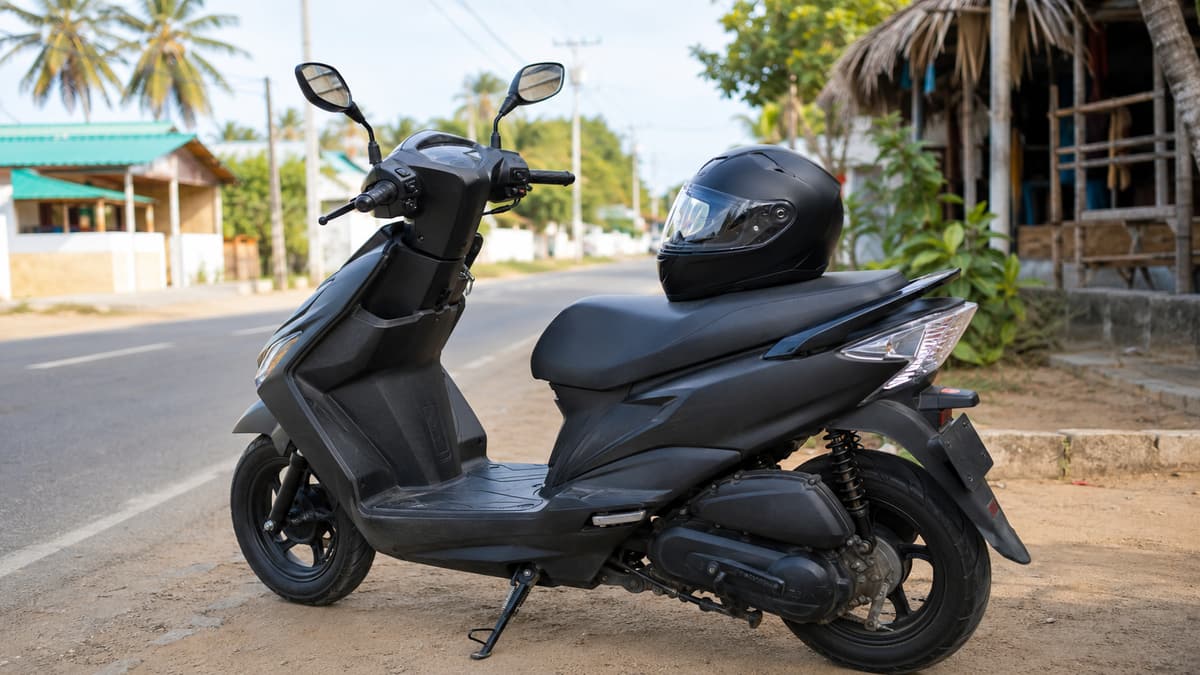
Traveler Health
Motion Sickness on Sri Lanka's Roads: Prevention and Quick Relief
Aug 6, 2026 · 7 min read
If your transfer down to Arugam Bay left you pale, sweaty, and reaching for a bag halfway through, you’re not alone. Between the road from Colombo or Ella, the tuk-tuk rides around town, and the boat trips some travelers take out to fish or dolphin-watch, this is one of the most common complaints we hear from people in their first few days here. It’s rarely serious, but it can ruin a travel day if you don’t plan for it.
Why Sri Lanka is particularly bad for it
Motion sickness happens when your inner ear, eyes, and body send conflicting signals to your brain about movement. A few things about getting around here make that conflict worse than what most travelers are used to:
- The roads themselves. The coastal and hill routes into Arugam Bay are narrow, winding, and full of switchbacks, with drivers braking and accelerating constantly to overtake buses and dodge tuk-tuks.
- Long journeys. The transfer from Colombo or the hill country can run six to eight hours, much of it on exactly this kind of road.
- Reading or looking at your phone. Checking messages or watching a screen while the vehicle sways is one of the fastest ways to trigger nausea, because your eyes say “still” while your inner ear says “moving.”
- Heat and dehydration. A hot, stuffy van makes nausea worse and lowers the threshold at which it kicks in.
- Boat trips. Smaller fishing boats out past the break move very differently to a surfboard, and catch a lot of travelers who assumed that being fine in the water meant they’d be fine on a boat.
Symptoms
Ordinary motion sickness builds gradually: a vague queasy feeling, cold sweat, yawning, increased saliva, then nausea and sometimes vomiting. Pale skin and a headache are common too. It almost always improves within twenty to thirty minutes of the movement stopping.
What actually helps once it starts
- Get to fresh air and a fixed point on the horizon. If you’re in a vehicle, ask to sit near a window that opens, or ask the driver to pull over for a minute if it’s bad.
- Stop reading or looking at your phone. Look outward at the road ahead, not down.
- Sip water slowly. Don’t gulp, and don’t force food, but a plain biscuit or cracker can settle the stomach for some people.
- Ginger helps for genuinely mild cases. Ginger tea, ginger biscuits, or ginger sweets are sold everywhere here and are a reasonable first try.
- If it’s severe or you can’t keep fluids down, that’s a different problem — see the dehydration warning below.
Preventing it before you travel
Prevention works far better than treatment once you’re already nauseous, so plan ahead of any long transfer or boat trip:
- Take motion sickness medication thirty to sixty minutes before you set off, not after you start feeling unwell. Common over-the-counter options like cinnarizine or dimenhydrinate work well and are available at pharmacies here, including ours. Cinnarizine causes less drowsiness than older antihistamines and is a reasonable choice if you need to stay functional on arrival.
- Choose your seat. The front seat of a van or the middle of a boat, where movement is felt least, is far better than the back row.
- Eat something light beforehand, not a heavy meal, and not on an empty stomach either.
- Avoid alcohol the night before a big transfer day. A mild hangover and a winding road are a bad combination.
- Keep the window cracked for airflow, even in air-conditioned vehicles.
- Break up very long journeys with a stop if the driver is willing — even ten minutes standing outside resets things.
Motion sickness in kids
Children are more prone to motion sickness than adults and often can’t describe what’s wrong until they’re already unwell. If you’re traveling with a child, plan an early dose of an age-appropriate medication before setting off, keep them facing forward, and pack a bag just in case. We can advise on paediatric dosing if you come in.
When to come and see us
Most motion sickness settles on its own once you’re off the road or boat. Come in if:
- Vomiting continues well after the movement has stopped
- You can’t keep fluids down for several hours and start feeling dizzy or very weak
- Nausea comes with a bad headache, fever, or stomach pain that doesn’t fit the pattern of ordinary motion sickness
- A child becomes lethargic or won’t drink anything
Persistent vomiting in Sri Lanka’s heat tips into dehydration fast, and that’s the thing worth treating properly rather than riding out. We can give fast relief with anti-nausea medication and, if needed, oral rehydration or an IV drip to get you back on your feet.
Related reading
This article is general health information and not a substitute for medical advice. If nausea or vomiting isn’t settling, walk in any time, day or night, or call 1990 for emergency transport.
Related articles

Traveler Health
Allergic Reactions & Anaphylaxis in Sri Lanka: What to Do
New foods, new insects, new sun exposure — Sri Lanka has plenty of new allergy triggers. Here's how to spot a reaction early and what to do if it turns serious.
6 min read
Traveler Health
Anti-Rabies Vaccine in Arugam Bay: Where to Get It, Fast
Bitten or scratched by a dog or monkey in Arugam Bay? We stock human anti-rabies vaccine and can start treatment the same day. Here's what to do right now.
6 min read

Traveler Health
Asthma and Breathing Problems in Arugam Bay: Managing Your Inhaler in the Heat and Dust
Heat, dust, incense smoke, and salt air can all trigger asthma in Arugam Bay. Here's how to manage your inhaler, spot a serious flare-up, and what we can do.
8 min read