
Traveler Health
Leptospirosis in Sri Lanka: The Flood-Water Infection Travelers Miss
Jul 31, 2026 · 7 min read
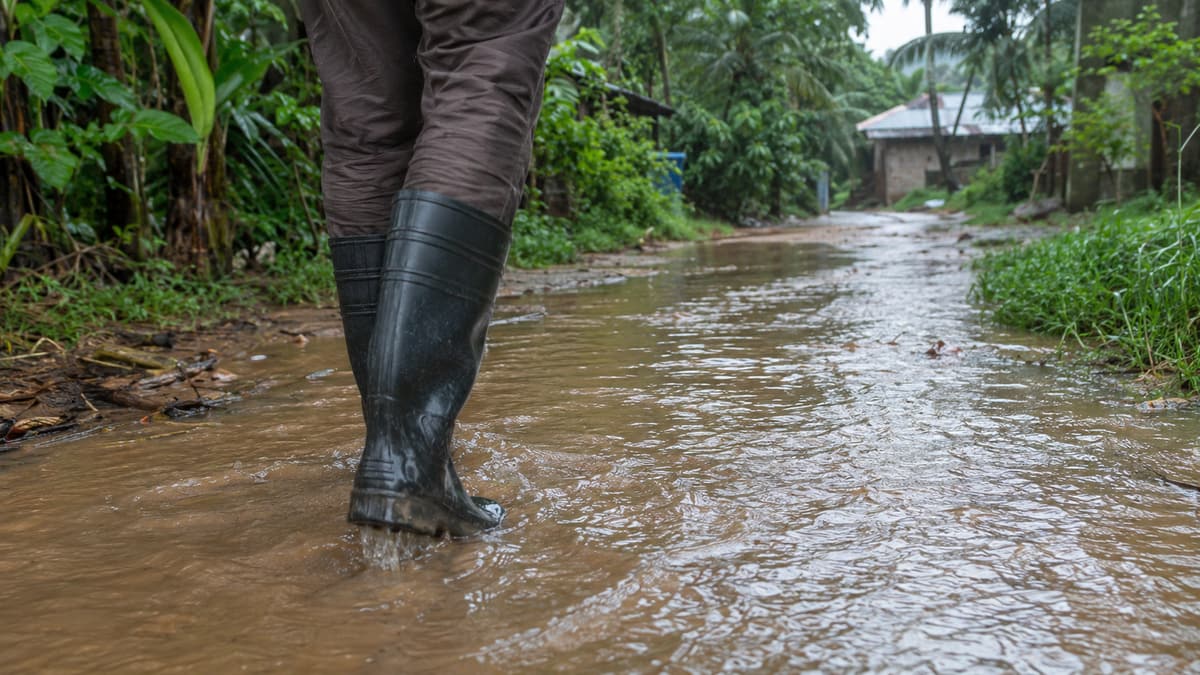
Most travelers have never heard of leptospirosis until they’re standing in a flooded lane in Pottuvil wondering whether to wade through or turn back. It’s not a headline illness like dengue, but in Sri Lanka it’s a real and occasionally serious risk — especially during the wetter months, and especially for anyone spending time around the paddy fields, canals, and lagoon edges inland from the surf breaks.
What is leptospirosis?
Leptospirosis is a bacterial infection, not a virus. The bacteria live in the urine of infected animals — rats, mice, cattle, water buffalo, and dogs are all common carriers in Sri Lanka. When it rains heavily, that urine washes into floodwater, puddles, ponds, and slow-moving canals. You don’t need to drink it: the bacteria can get in through a small cut, a scrape, or even softened skin after a long time wading, and through the mucous membranes of your eyes, nose, or mouth.
It’s a genuine concern around Arugam Bay because the geography sets it up perfectly — rice paddies just inland, the Pottuvil lagoon, and low-lying roads that pool with water every time there’s a serious downpour. Locals who work in the fields carry most of the risk, but travelers who go wading, cycle through flooded lanes, do a lagoon or river excursion, or walk back to their guesthouse barefoot through standing water after a storm are exposed too.
Symptoms and timeline
This is the part that catches people out: leptospirosis doesn’t make you sick on the spot. Symptoms usually start one to two weeks after exposure, by which point most travelers have completely forgotten about that flooded road they walked through.
The first phase looks like a lot of other tropical fevers:
- Sudden high fever
- Severe headache
- Muscle aches, especially in the calves and lower back
- Red, irritated eyes (conjunctival redness without discharge is a classic clue)
- Chills, nausea, sometimes a cough
Many people improve after a few days and assume it’s over. In a minority of cases, a second, more serious phase follows — this is the form doctors call Weil’s disease. Warning signs include yellowing of the skin or eyes (jaundice), reduced urine output, breathlessness, confusion, or bleeding from the gums or nose. This phase involves the kidneys, liver, and sometimes the lungs, and needs hospital-level care.
What to do if you suspect it
If you’ve had a fever for more than a day or two and you can place a possible exposure — floodwater, a paddy field, a lagoon swim, a muddy trek — come in and tell us. Leptospirosis is easy to miss because the early symptoms overlap so much with dengue and ordinary viral fevers, so the exposure history matters as much as the symptoms. We’ll examine you, run the appropriate blood tests, and start treatment on suspicion if the picture fits, rather than waiting for a slow-turnaround confirmatory test.
If you need to claim on travel insurance afterwards, we can handle the paperwork directly and give you an itemised receipt in English, which makes the claim straightforward once you’re home.
Treatment
Caught early, leptospirosis responds well to antibiotics — usually doxycycline for milder cases treated as an outpatient. Paracetamol helps with fever and aches in the meantime; avoid ibuprofen and other NSAIDs until dengue has been ruled out, since the two conditions can look similar in the first few days and NSAIDs are riskier if it turns out to be dengue.
Severe cases with jaundice, kidney involvement, or breathing difficulty need hospital admission for IV antibiotics and supportive care, sometimes including dialysis in the worst cases. This is rare, and it’s treatable, but it’s the reason not to shrug off a fever that follows a flood-water exposure.
Prevention
- Avoid wading through standing or floodwater where possible, particularly after heavy rain. If you must cross it, wear closed shoes rather than sandals or bare feet.
- Don’t swim in the lagoon, rivers, or freshwater ponds, especially after rain when runoff has just arrived. Ocean swimming and surfing in the sea are not a leptospirosis risk — saltwater and the open ocean are a different story from stagnant fresh water.
- Cover any cuts or grazes with a waterproof dressing before you’re anywhere near floodwater or paddy fields, and clean them properly afterwards if they’ve been exposed.
- Wash off promptly if you’ve been wading or your legs have been in contact with muddy water — a normal shower with soap is enough.
- Store food away from rodents at your guesthouse and avoid leaving it out overnight.
A note for the wet season
Arugam Bay’s surf season runs roughly April to October; the rest of the year brings the heavier rain and the flooding that goes with it. If you’re visiting during the wetter months and planning an inland trip — a waterfall, a paddy-field walk, a lagoon boat tour, or just cycling back from town after a downpour — leptospirosis is worth knowing about, not worrying about. The vast majority of visitors never come near it. The people who do get it are almost always the ones who waded through obviously dirty water with an open cut and didn’t think about it again until the fever hit a week later.
Related reading
- Arugam Bay Safety Guide: A Local’s Perspective
- Fever in the Tropics: When It’s Serious and When It Isn’t
This article is general health information and not a substitute for medical advice. If you develop a fever after possible exposure to floodwater or fresh water in Sri Lanka, walk in and see us, or call 1990 for emergency transport.
Related articles
Traveler Health
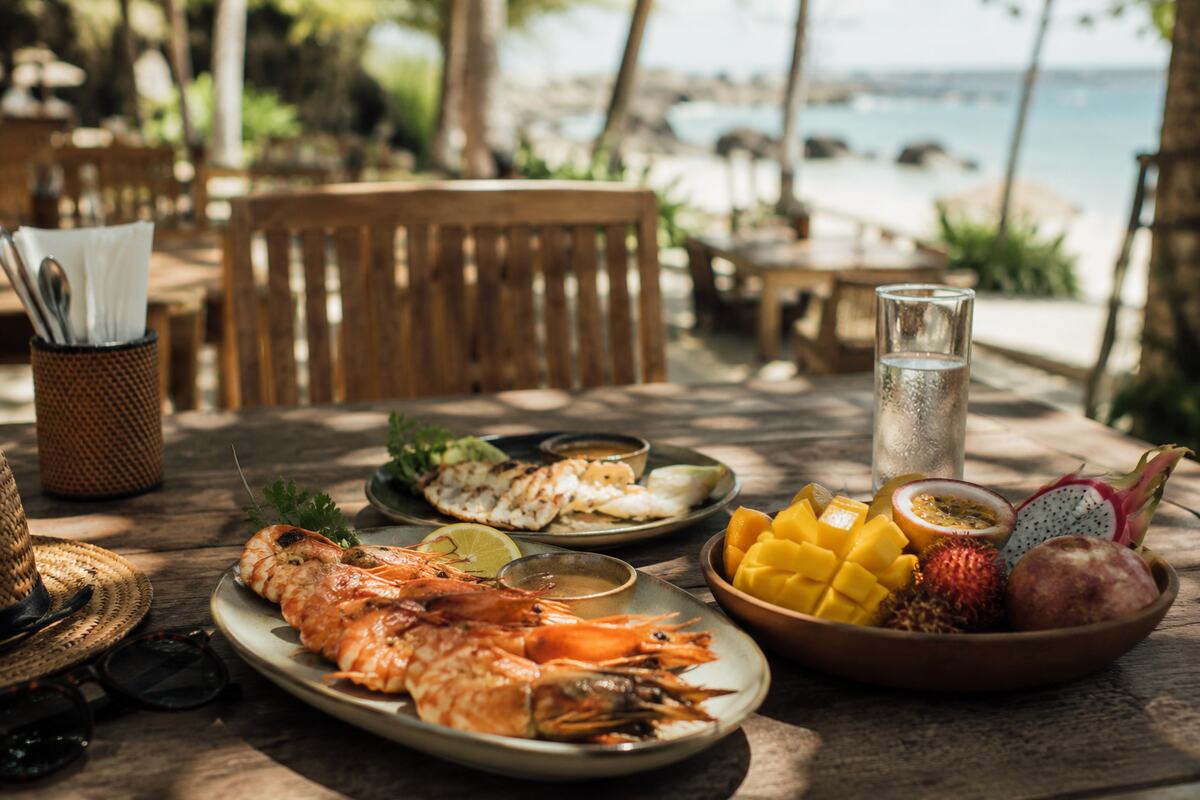
Allergic Reactions & Anaphylaxis in Sri Lanka: What to Do
New foods, new insects, new sun exposure — Sri Lanka has plenty of new allergy triggers. Here's how to spot a reaction early and what to do if it turns serious.
6 min read
Traveler Health
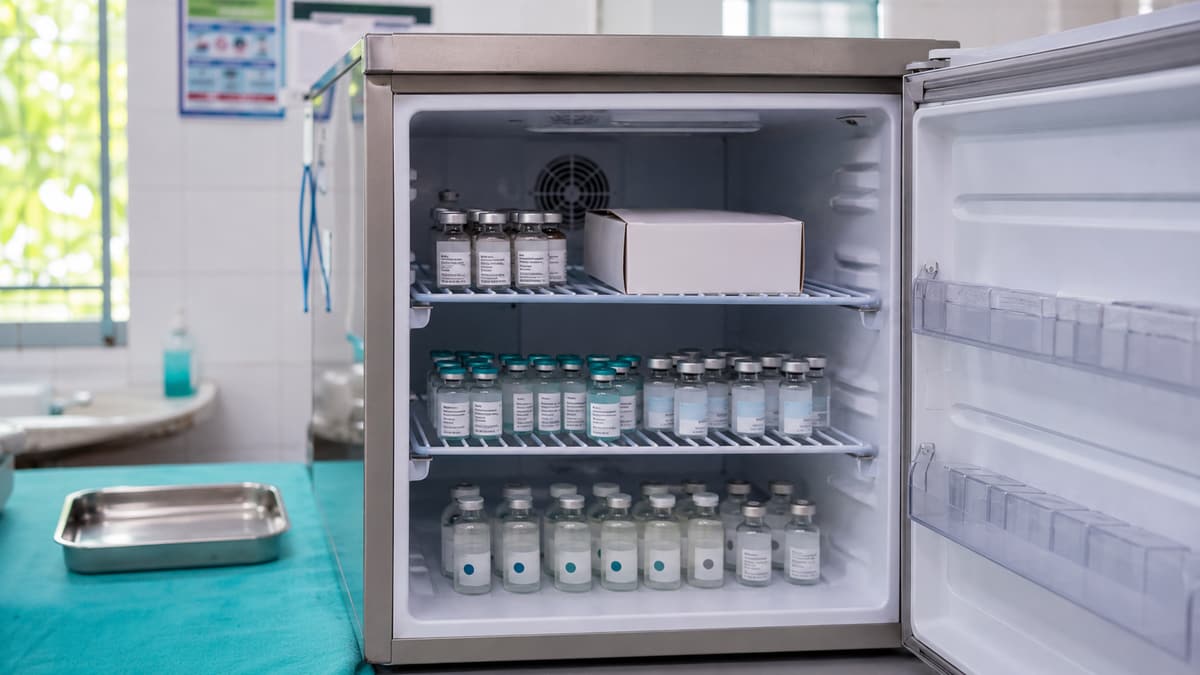
Anti-Rabies Vaccine in Arugam Bay: Where to Get It, Fast
Bitten or scratched by a dog or monkey in Arugam Bay? We stock human anti-rabies vaccine and can start treatment the same day. Here's what to do right now.
6 min read
Traveler Health
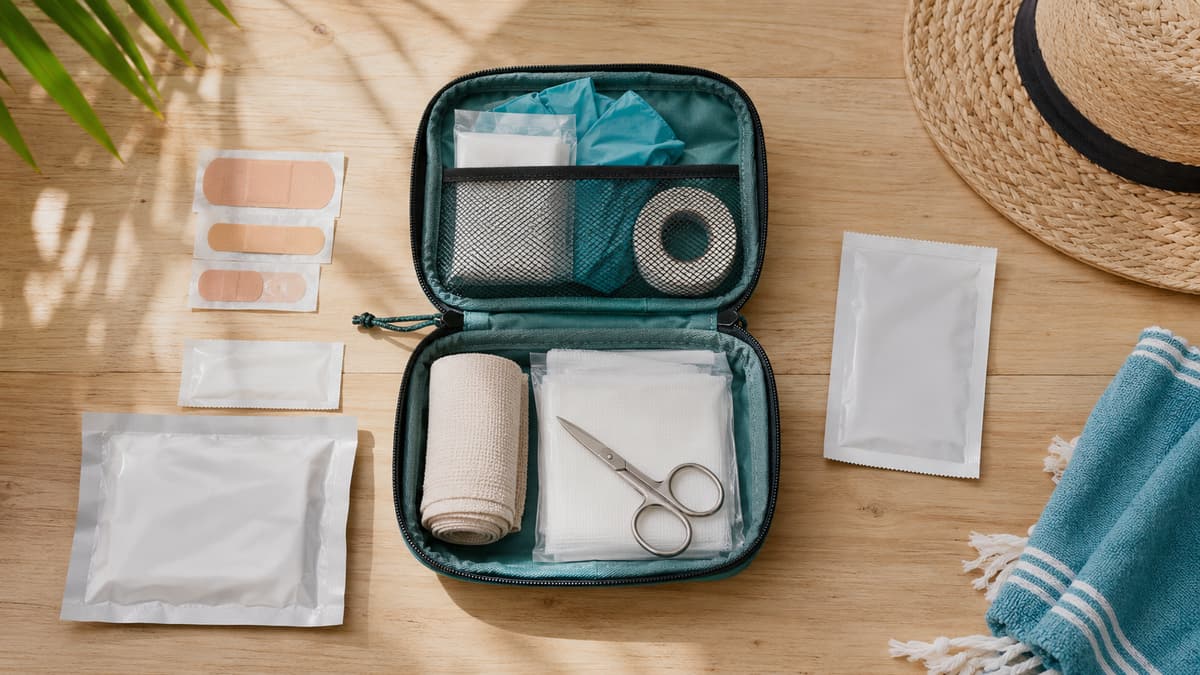
Asthma and Breathing Problems in Arugam Bay: Managing Your Inhaler in the Heat and Dust
Heat, dust, incense smoke, and salt air can all trigger asthma in Arugam Bay. Here's how to manage your inhaler, spot a serious flare-up, and what we can do.
8 min read